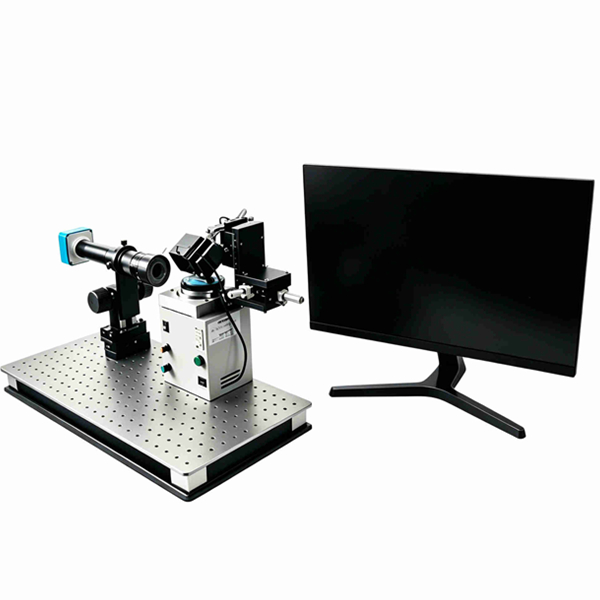
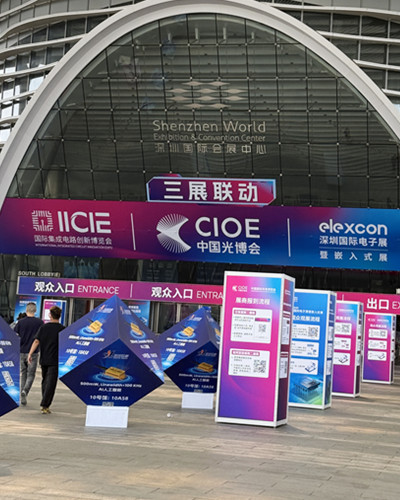
From September 9 to 11, 2026, the 27th China International Optoelectronic Exposition (CIOE 2026) was held at the Shenzhen World Exhibition & Convention Center in Shenzhen, China.
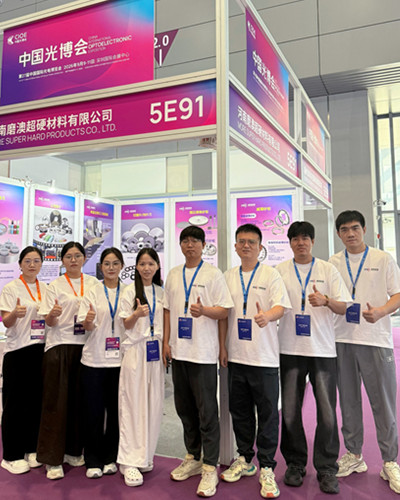
Moresuperhard participated in CIOE 2026 at Booth 5E91, focusing on precision grinding and polishing technologies for optical manufacturing and optical communication applications.
Based on our observations during the exhibition, two application areas were particularly relevant to Moresuperhard’s business:
- Optical component grinding and polishing, with a focus on diamond milling wheels, precision grinding and CMP polishing consumables
- Fiber optic grinding and polishing, including polishing equipment, polishing pads, polishing films and related polishing liquids
These two applications use different workpieces and processing methods. Optical component manufacturing focuses on generating the required optical geometry and subsequently improving the optical surface, while fiber optic polishing focuses on precision processing of fiber ends, ferrules and multi-fiber connector components.
Optical Component Grinding and Polishing at CIOE 2026
Precision optical manufacturing was one of the main areas we followed during CIOE 2026.
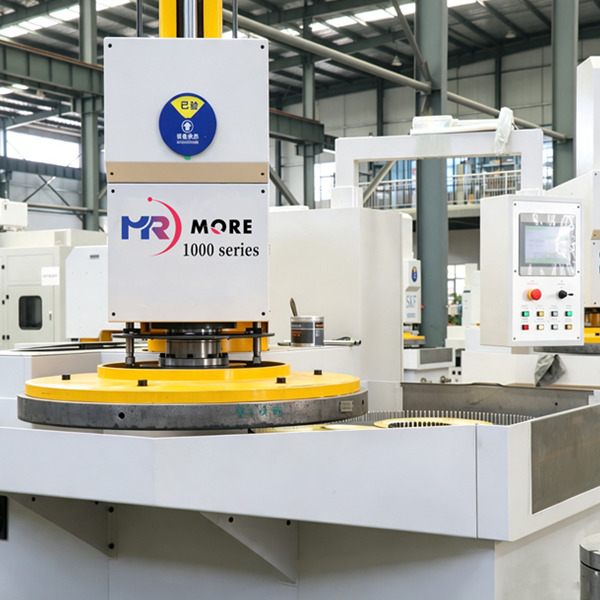
The official CIOE Precision Optics Expo covers optical materials, optical components, optical lenses, optical processing equipment and other technologies across the optical manufacturing chain. The exhibition also includes equipment and technologies for optical grinding and polishing.
From a consumables perspective, optical component manufacturing can be viewed as two closely connected stages: precision grinding and subsequent polishing.
The grinding stage is used to generate or refine the component geometry, while polishing is used to further improve the surface condition required by the optical application.
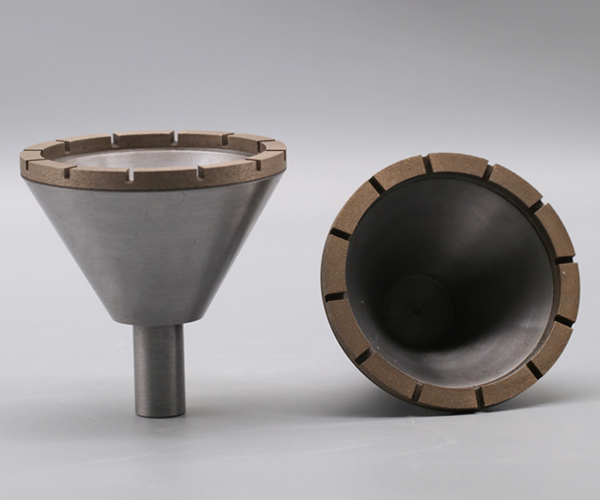
Metal-Bond Diamond Milling Wheels for Optical Components
For optical component processing, one of the key areas of interest is diamond milling and grinding.
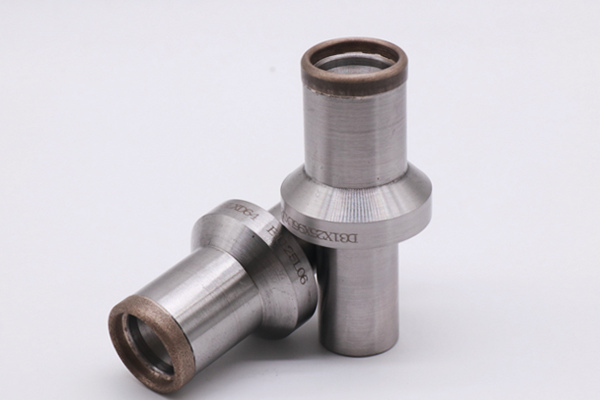
Moresuperhard focuses on metal-bond diamond milling wheels for precision optical processing. The diamond abrasive provides the cutting capability required for processing hard and brittle optical materials, while the metal bond provides the structural support required by the wheel.
In an optical component production process, the milling or grinding wheel needs to be matched to the workpiece material, component geometry, machine configuration and processing stage.
The purpose of the grinding stage is not simply to remove material. The condition of the surface produced by grinding also affects the requirements of the following polishing process.
CMP Polishing Pads for Optical Components
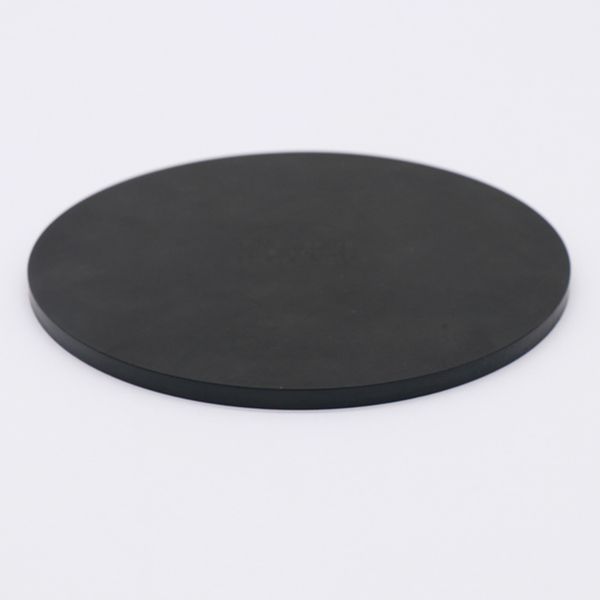
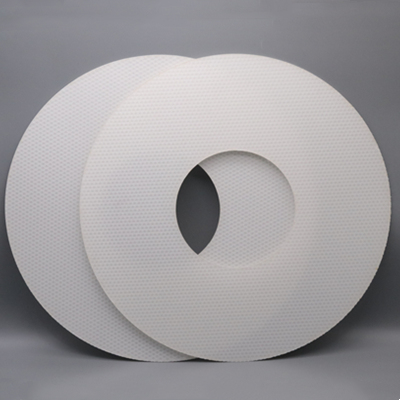
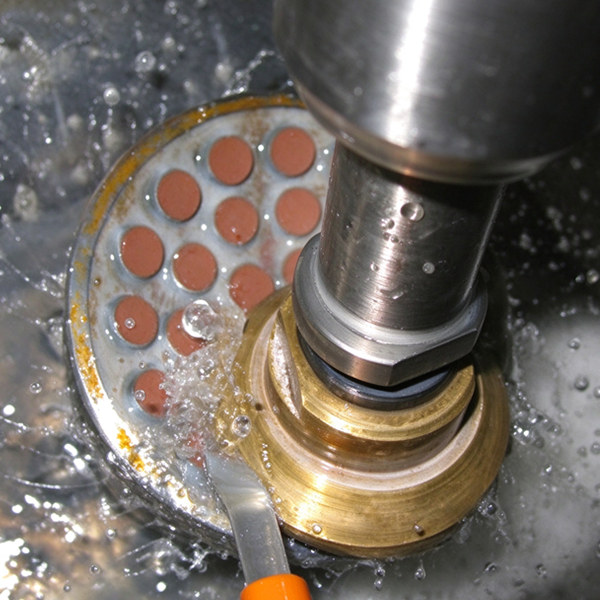
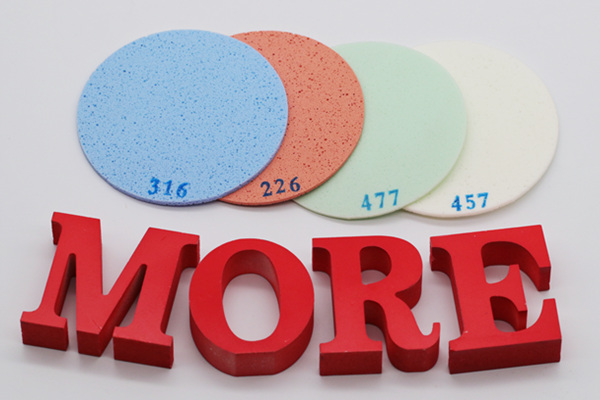
For the polishing stage, CMP polishing pads are an important consumable category for precision surface finishing.
During CIOE 2026, Moresuperhard observed different types of polishing pads and precision polishing materials used in optical and related precision-processing applications.
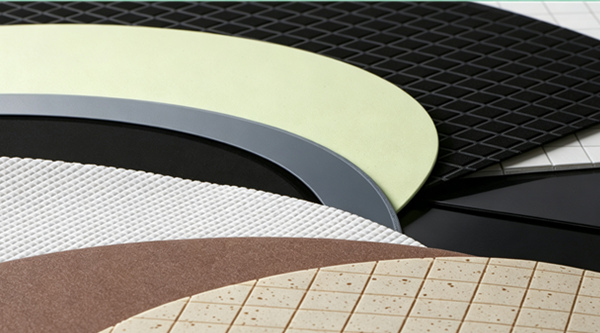
A CMP polishing pad provides the working surface that interacts with the workpiece and polishing liquid during the polishing process. Pad structure, hardness, surface characteristics and polishing-liquid retention can all influence the polishing behavior.
For optical component polishing, the appropriate pad needs to be selected according to the workpiece material, polishing process, machine and required surface result.
Rather than treating the polishing pad as an independent component, Moresuperhard approaches the process as a combination of:
* Polishing pad
* Polishing liquid
* Abrasive
* Optical material
* Polishing equipment
* Processing parameters
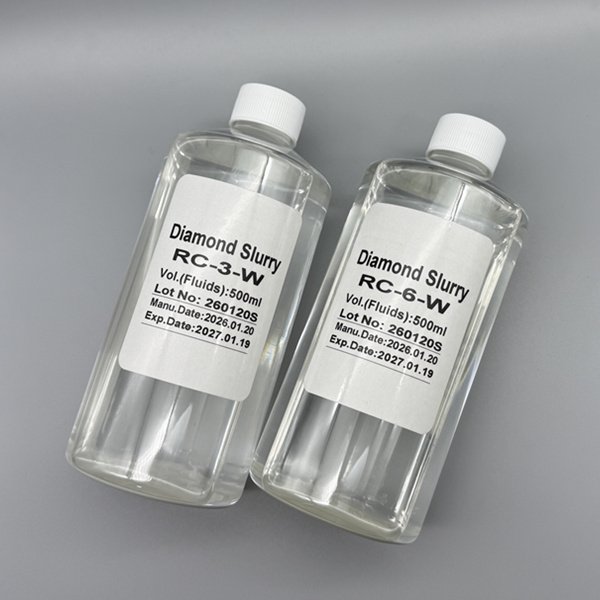
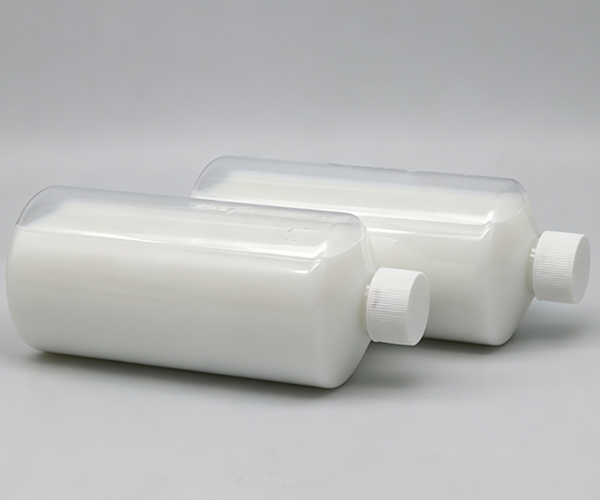
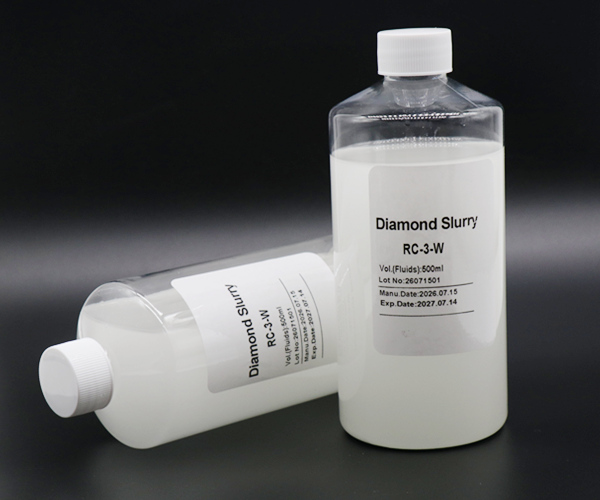
Polishing Liquid for Optical Surface Finishing
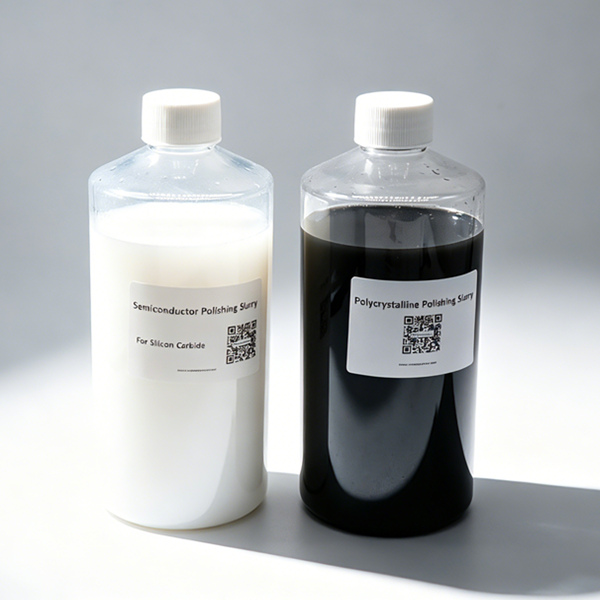
The polishing liquid is another important part of the optical polishing system.
During polishing, the liquid works together with the pad and abrasive to support the surface-processing process. Therefore, pad selection and polishing-liquid selection should not be considered separately.
The appropriate polishing liquid depends on the material, polishing stage, abrasive system and target surface condition.
For optical component manufacturers, the practical objective is to establish a stable polishing system capable of producing a consistent surface result across the required production cycle.
Fiber Optic Grinding and Polishing
Fiber optic processing represents another specialized application area observed during CIOE 2026.
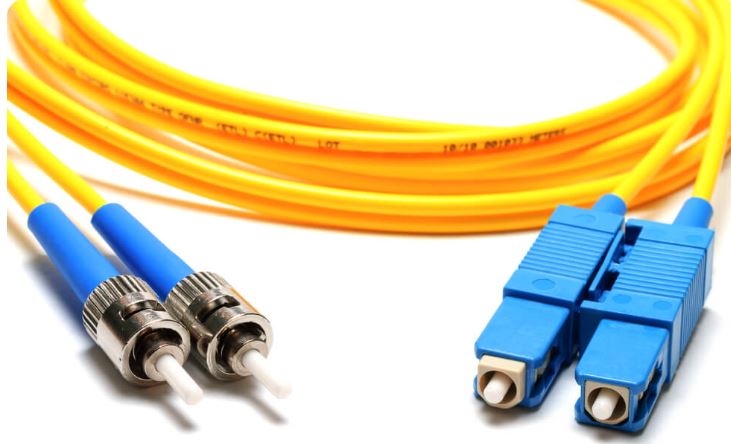
Unlike optical lens and prism manufacturing, fiber optic polishing focuses on the precision processing of fiber ends, ferrules and optical communication connectors.
The process can involve several grinding and polishing stages, with specialized equipment, fixtures and consumables used according to the connector type and required end-face condition.
Our exhibition notes specifically identified MPO grinding and polishing and ferrule grinding as important optical communication applications.
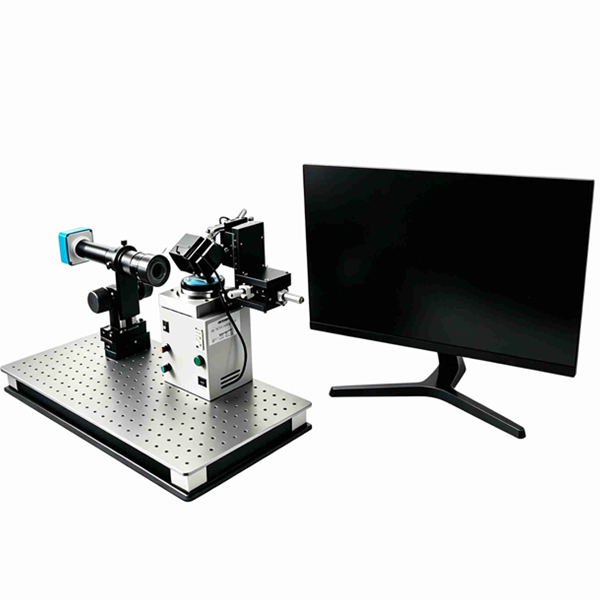
Fiber Optic Polishing Equipment
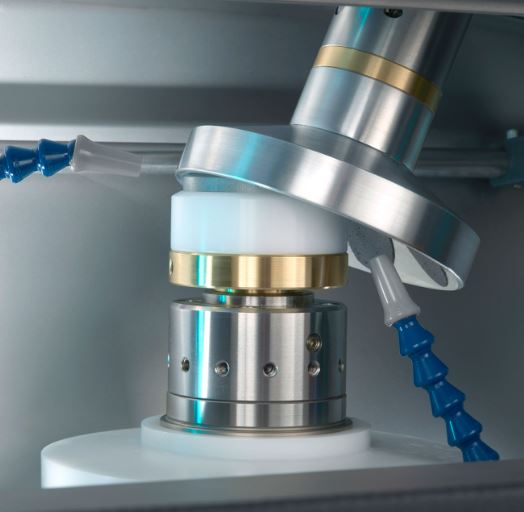
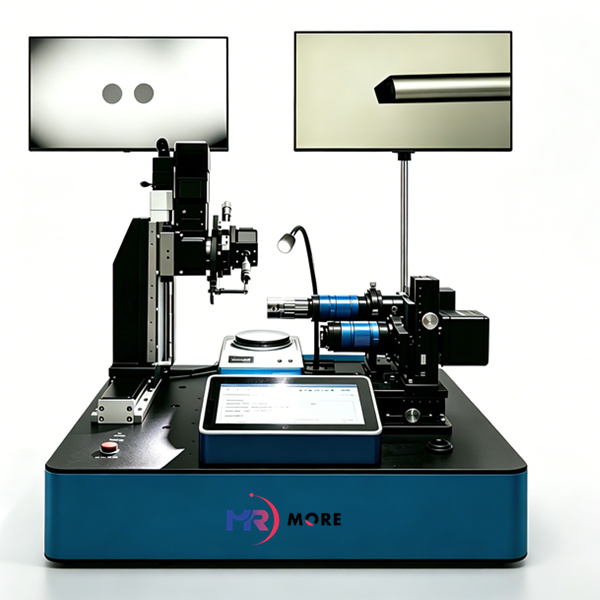
Equipment is an important part of the fiber polishing process.
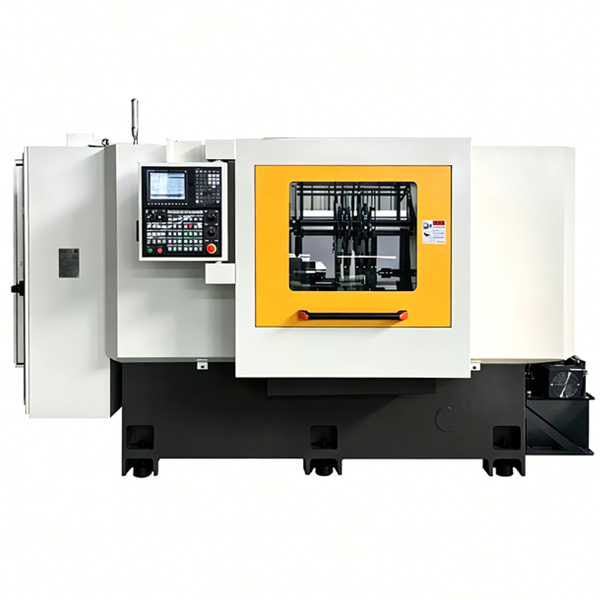
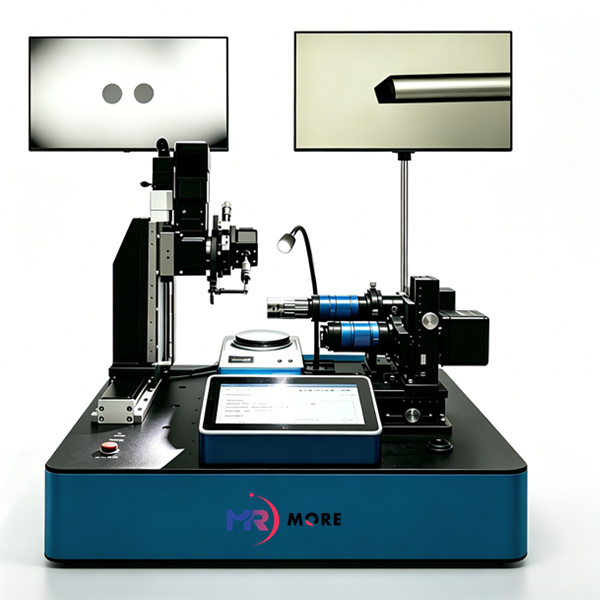
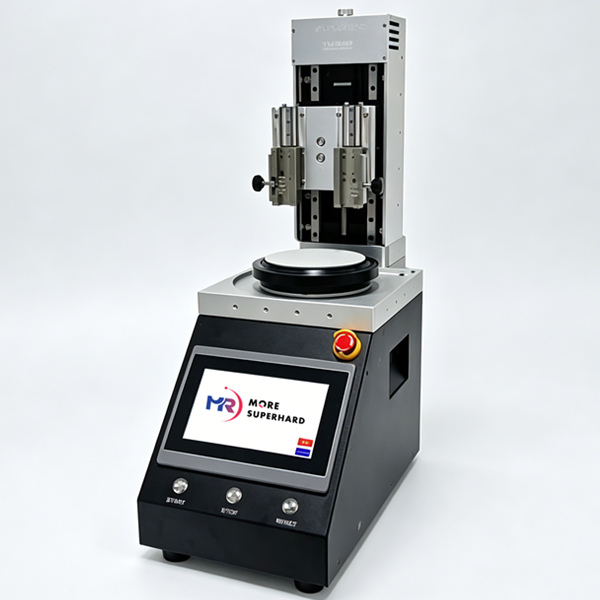
During CIOE 2026, we observed fiber polishing machines and equipment designed for optical communication component processing.
The machine, fixture, polishing pad or film and polishing liquid need to work together as a complete process system.
For different connector formats, the equipment configuration and polishing process may also differ. This is particularly relevant to multi-fiber connectors such as MPO and MT, where multiple fiber positions need to be processed within the same component.
For consumable manufacturers, this means that polishing performance should be evaluated together with the equipment and fixture rather than independently.
Fiber Optic Polishing Pads
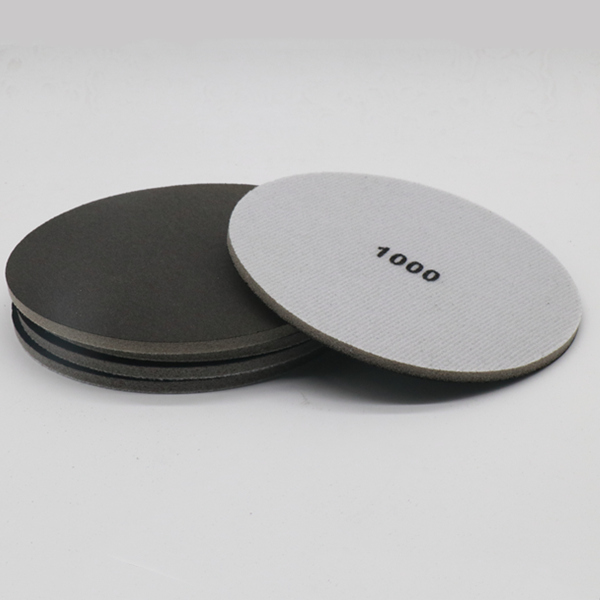
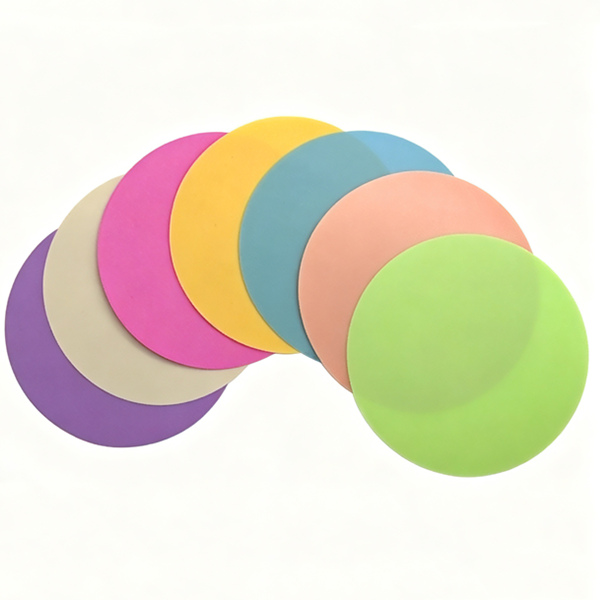
Polishing pads are another important consumable in fiber optic polishing.
Depending on the equipment and polishing stage, different pad structures can be used for controlled material removal and surface finishing.
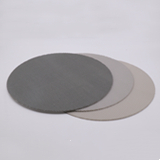
During the exhibition, we observed polishing materials including polyurethane-based pads, non-woven polishing pads and other precision polishing consumables.
Pad characteristics such as hardness, elasticity, surface structure and abrasive interaction can affect the polishing process.
For fiber optic applications, the selection needs to consider the connector or ferrule type, polishing stage, abrasive system, machine and required end-face condition.
Fiber Optic Polishing Film
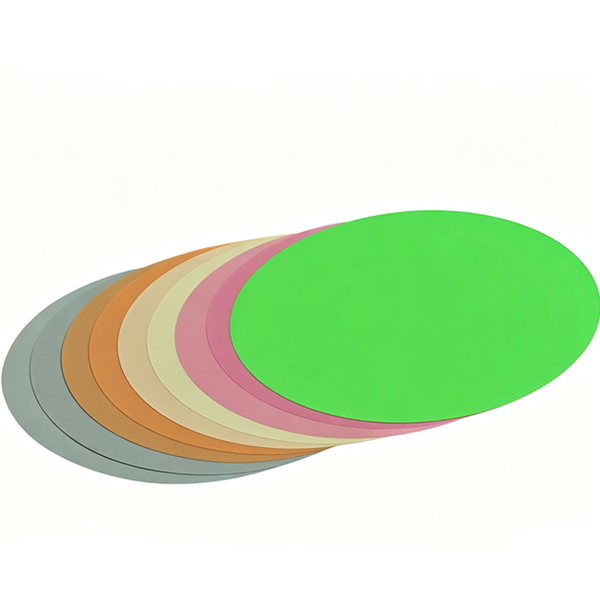
In addition to polishing pads, polishing film is widely associated with precision fiber optic connector processing.
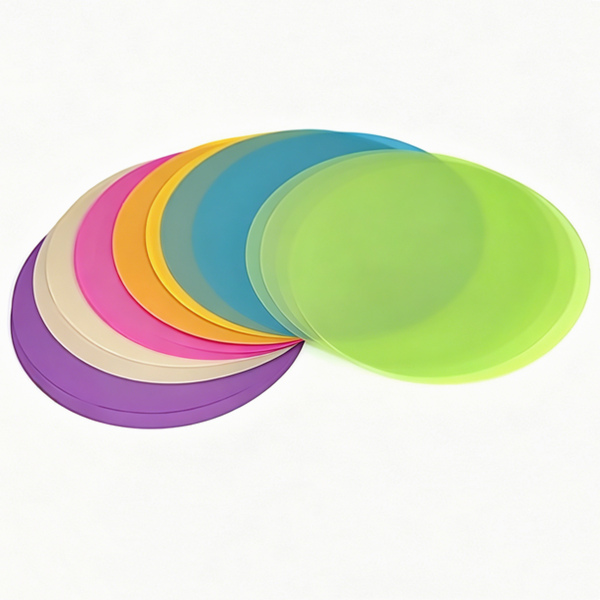
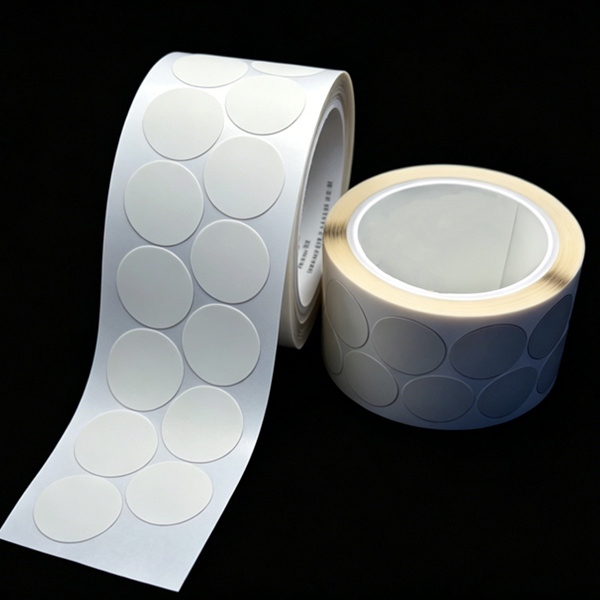
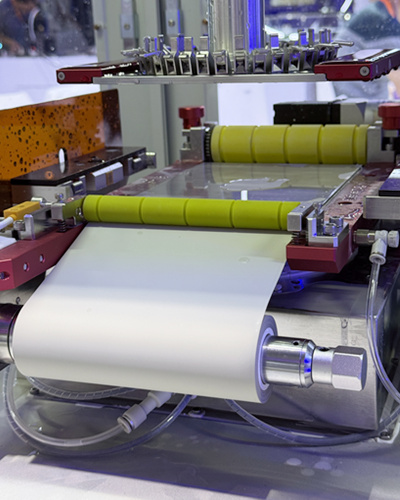
Our CIOE exhibition observations included roll-type polishing film and other film-based consumables for fiber polishing.
Different polishing stages may require different abrasive grades and film specifications. Coarser abrasive films can be used for earlier material-removal stages, while finer films can be used for subsequent finishing operations.
For fiber optic connector polishing, film selection should therefore be matched to the processing stage rather than selected only according to nominal particle size.

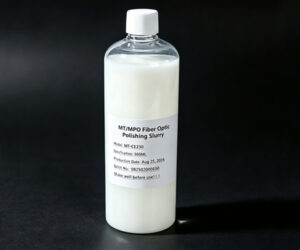
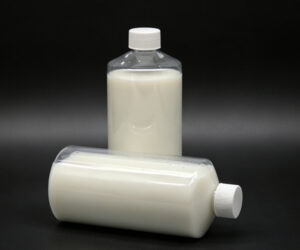
Fiber Drawing Liquid and Polishing Liquid
Our exhibition notes also recorded fiber drawing liquid and polishing liquid within the optical communication-related products observed at CIOE 2026.
For fiber optic processing, the liquid used in the process needs to be compatible with the polishing consumable and workpiece.
When combined with the appropriate pad or polishing film, the polishing liquid can form part of the overall abrasive-processing system.
Therefore, when evaluating a fiber polishing consumable, Moresuperhard considers not only the film or pad itself, but also the abrasive and liquid used with it.
MPO and MT Fiber Connector Polishing
MPO and MT polishing requires a dedicated approach because multiple fiber positions are processed within the same connector or ferrule assembly.
The polishing process therefore needs to control the condition of the entire end face while maintaining the required relationship between the fiber positions and ferrule surface.
CIOE 2026 exhibitor information included dedicated MPO/MTP polishing processes, MT/MPO polishing machines and related polishing films, reflecting the specialized nature of this application.
For Moresuperhard, MPO/MT polishing is an important example of why fiber optic consumables need to be selected together with the polishing machine, fixture and connector configuration.
Fiber Optic Grinding and Polishing Consumables
Based on our CIOE 2026 observations, the fiber optic polishing process can involve several categories of consumables:
* Fiber optic polishing pads
* Fiber optic polishing films
* MPO/MT polishing films
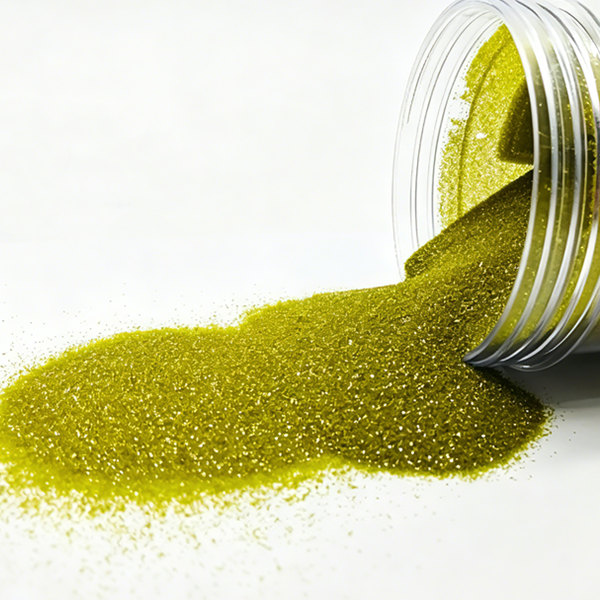
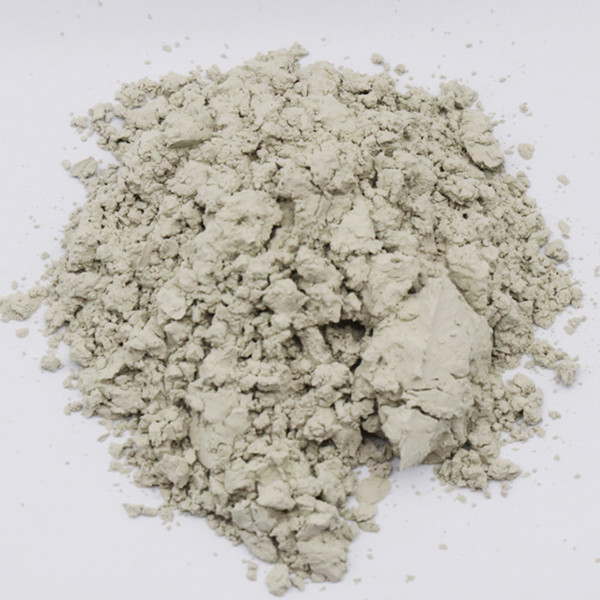
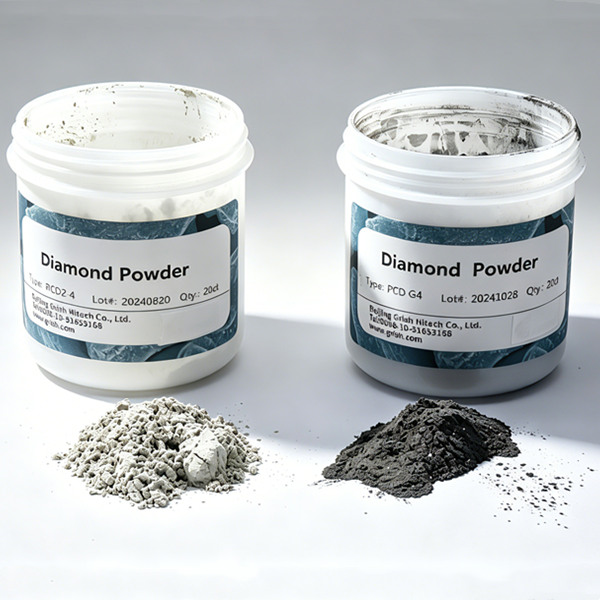
* Diamond abrasive materials
* Fiber polishing liquids
* Related lapping and polishing consumables
The appropriate combination depends on the fiber component, connector type, polishing machine, polishing stage and required surface condition.
Optical Component Polishing and Fiber Polishing Are Different Applications
Although both applications use precision grinding and polishing technologies, they should not be treated as the same process.
| Application |
Optical Component Grinding & Polishing |
Fiber Optic Grinding & Polishing |
| Main workpieces |
Optical glass, lenses, prisms and optical components |
Fiber ends, ferrules, connectors, MPO/MT components |
| Primary grinding process |
Diamond milling and precision grinding |
Connector and ferrule grinding |
| Main polishing consumables |
CMP polishing pads, polishing liquids and abrasive materials |
Polishing pads, polishing films, abrasives and polishing liquids |
| Main equipment |
Optical grinding and polishing equipment |
Fiber polishing machines and related fixtures |
| Typical focus |
Component geometry and optical surface finishing |
Fiber and ferrule end-face processing |
This distinction is important because the same term, such as “diamond polishing,” can refer to very different products and processes depending on the application.
What Customers Asked About at Moresuperhard Booth 5E91
At Moresuperhard Booth 5E91, customer discussions focused on precision grinding and polishing consumables and their application to optical manufacturing.
For optical components, discussions included grinding and polishing of optical glass, lenses and prisms, with particular interest in grinding tools, polishing pads and polishing materials.
For optical communication, discussions focused on fiber grinding and polishing, ferrule processing and MPO-related polishing applications.
These conversations provided direct feedback on the practical requirements of customers, including consumable compatibility with existing equipment, processing stability, surface quality and the selection of the appropriate consumable for each processing stage.
Moresuperhard Optical Grinding and Polishing Solutions
Moresuperhard provides precision grinding and polishing consumables for optical component and optical communication applications.
For optical component processing, the relevant product range includes:
- Metal-bond diamond milling wheels
- Diamond grinding wheels
- Precision grinding wheels
- CMP polishing pads
- Polyurethane polishing pads
- Diamond polishing pads
- Diamond lapping pads
- Diamond abrasives
- Polishing liquids
For fiber optic grinding and polishing, the product range includes:
- Fiber polishing pads
- Fiber optic polishing films
- MPO/MT polishing films
- Diamond abrasive materials
- Fiber polishing liquids
- Related lapping and polishing consumables
For equipment-related applications, Moresuperhard can also evaluate consumables according to the customer’s polishing machine, fixture, workpiece, processing stage and required surface result.

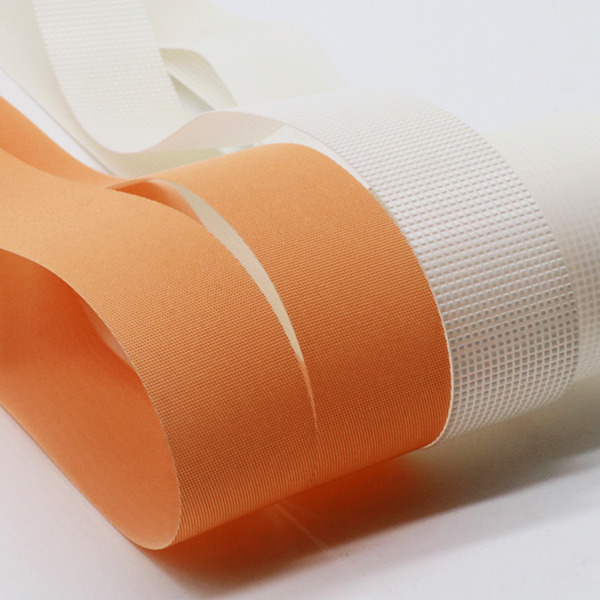 3D Structured Film (Cleaning belt for LCD panels)Flocked Pile Polishing Film for Roller Finishing and LCD Wiping
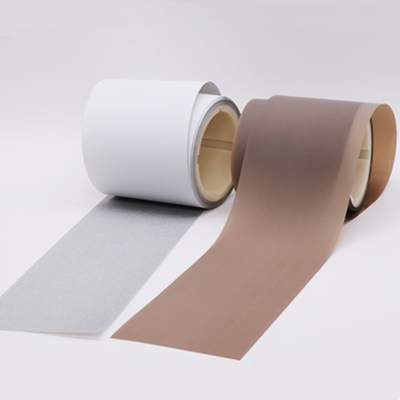 Polishing tape for repair defects and flatten protrusion points in LCD color filter process
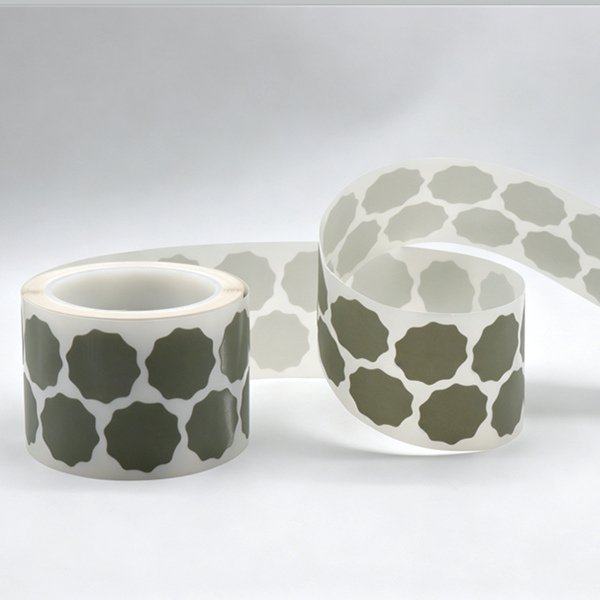 PSA Film Disc Roll for Fine Sanding and Finish of Automotive Coatings
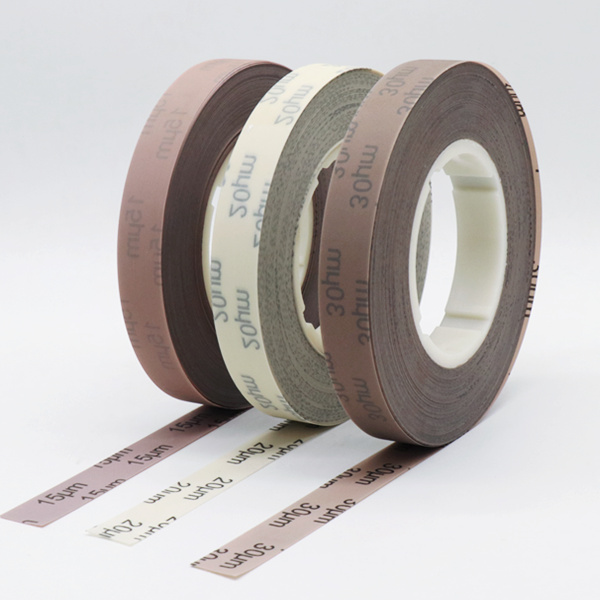 Electrostatic Coated Microfinishing Film Roll for Ultra-Fine Surface Finishing
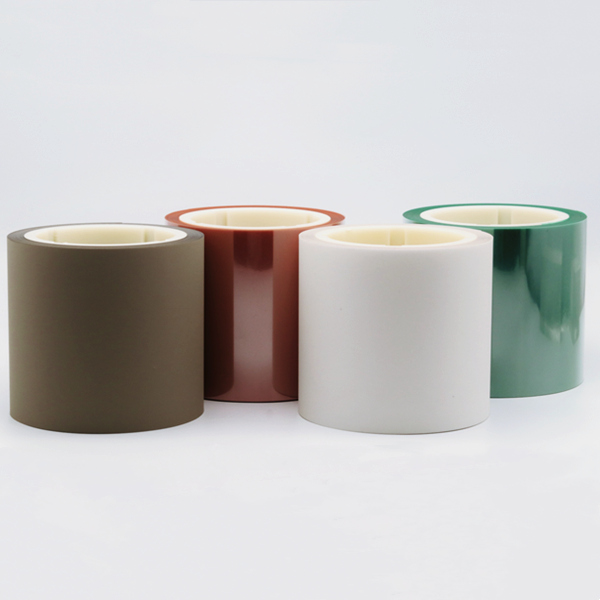 Precision Coated Diamond Roll for Fiber Optic & Microfinishing