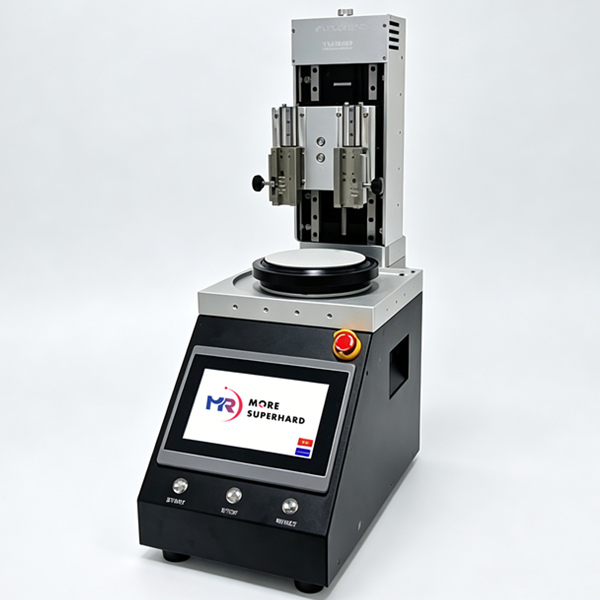
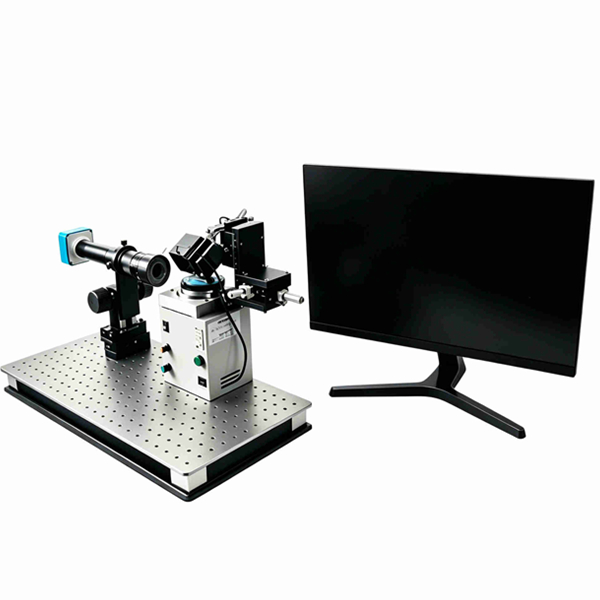
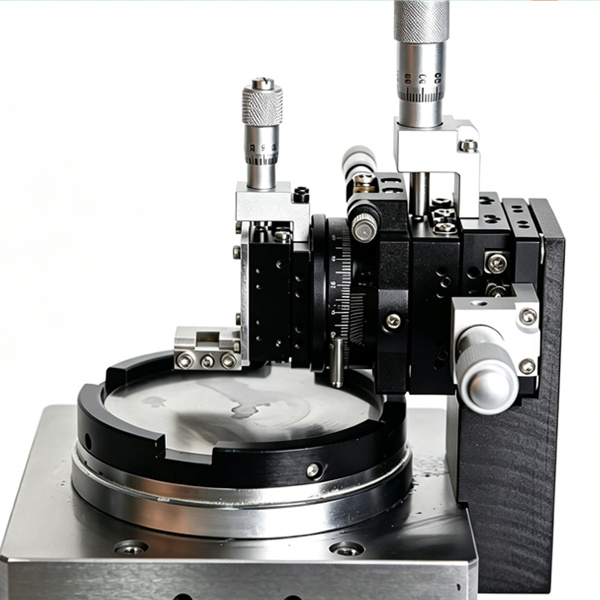
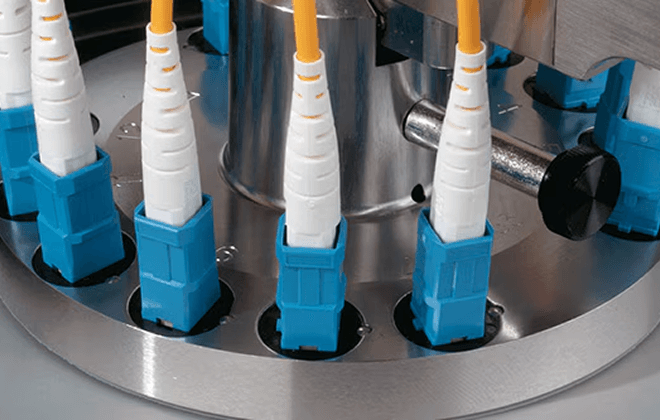
Typical Applications
- Fiber Optic Connector Manufacturing
- Optical Cable Assembly
- Fiber Optic Patch Cord Production
- Telecommunications
- Data Center Cabling
- Optical Laboratory
Inconsistent End Face Quality
Manual polishing or unstable polishing systems may result in inconsistent connector end-face geometry.
Solution: Stable polishing motion and repeatable polishing processes help improve polishing consistency.
Low Production Efficiency
Frequent fixture changes and complicated polishing procedures reduce production efficiency.
Solution: Flexible fixture compatibility and simplified operation help improve workflow efficiency.
Different Connector Types Require Different Processes
Manufacturers often need to process multiple connector types in the same production environment.
Solution: The machine supports different polishing fixtures and process settings according to connector requirements.
Difficult Process Repeatability
Consistent polishing results are essential for production quality.
Solution: Stable polishing mechanisms and adjustable process parameters help improve repeatability.
| Parameter |
Specification |
| Model |
1800C |
| Function |
Conical end face |
| Pad diameter |
70 mm |
| Turntable outer diameter |
90 mm |
| Fiber tilt angle |
0–90° adjustable |
| Tapered fiber included angle |
30–150° adjustable |
| Polisher adjustment frame |
Four-axis adjustable |
| Timing range |
0–60 s |
| Power supply |
220V AC, 50/60 Hz |
| Input voltage |
12V DC |
| Packaging method |
Wooden case + carton |
| Polishing equipment size |
600 × 300 × 400 mm |
| Packaging size |
720 × 420 × 500 mm + 610 × 400 × 160 mm |
| Gross weight |
54 kg |

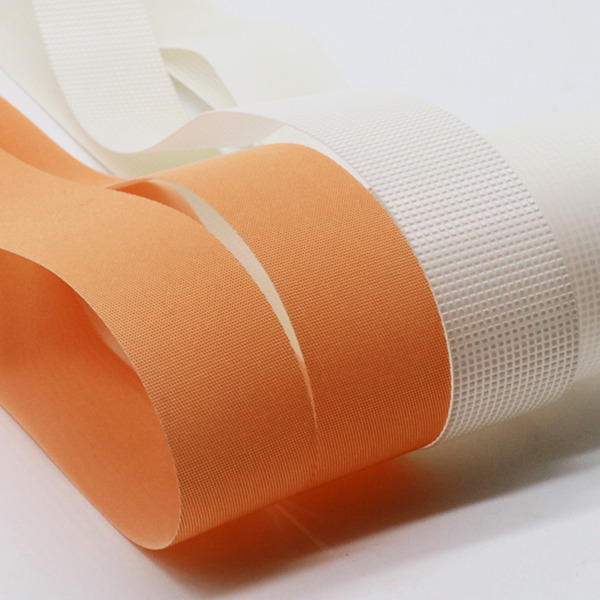 3D Structured Film (Cleaning belt for LCD panels)Flocked Pile Polishing Film for Roller Finishing and LCD Wiping
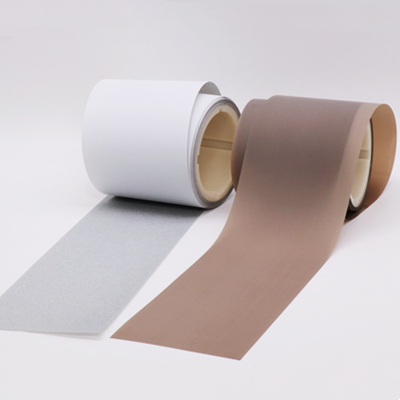 Polishing tape for repair defects and flatten protrusion points in LCD color filter process
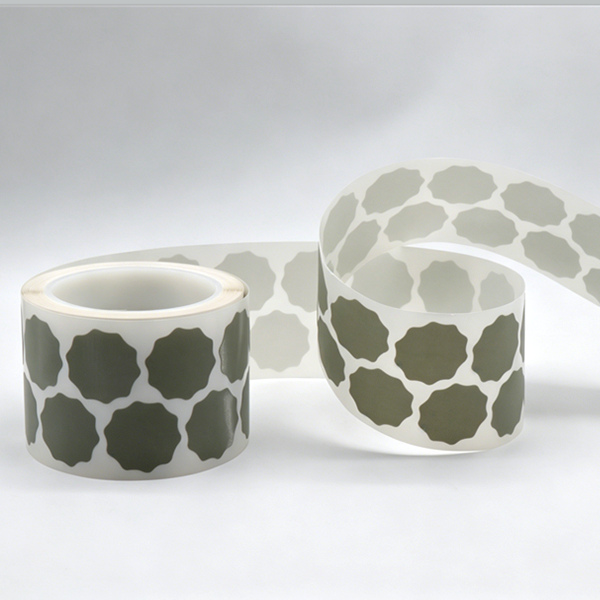 PSA Film Disc Roll for Fine Sanding and Finish of Automotive Coatings
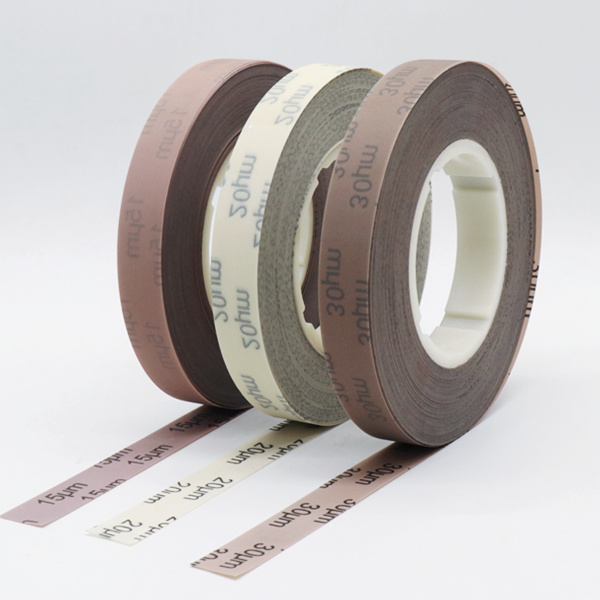 Electrostatic Coated Microfinishing Film Roll for Ultra-Fine Surface Finishing
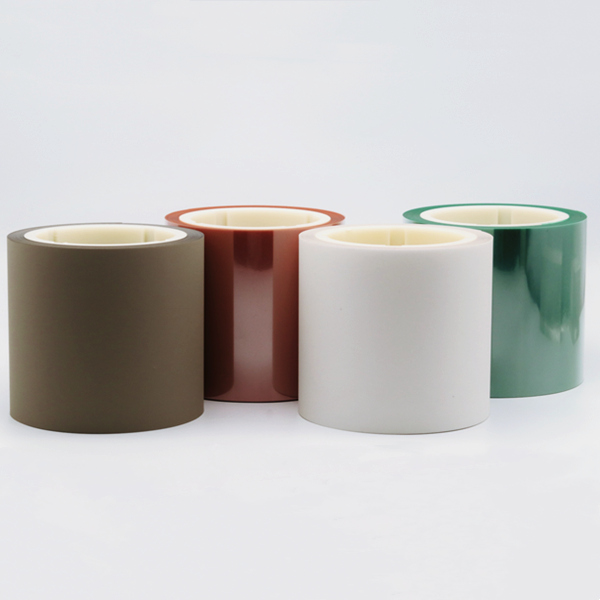 Precision Coated Diamond Roll for Fiber Optic & Microfinishing