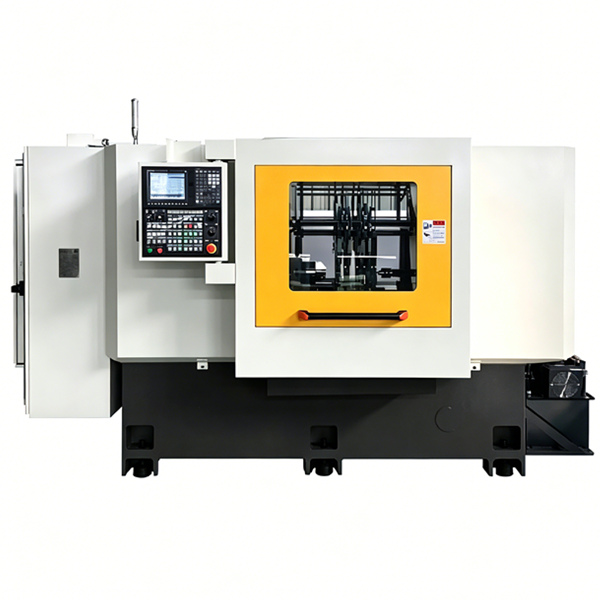
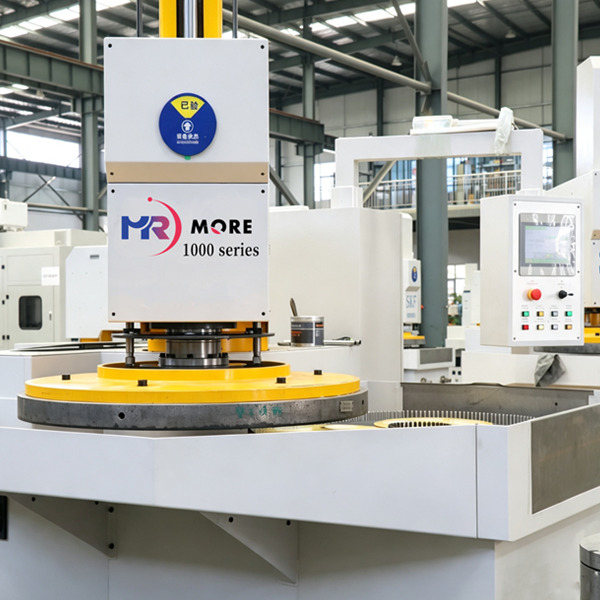
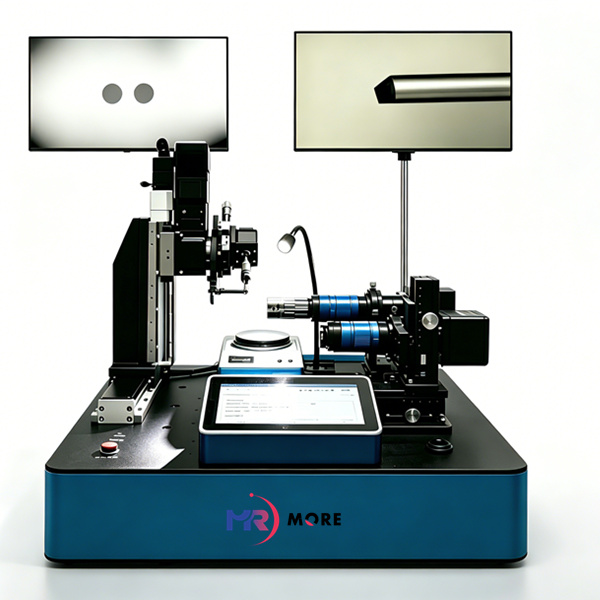
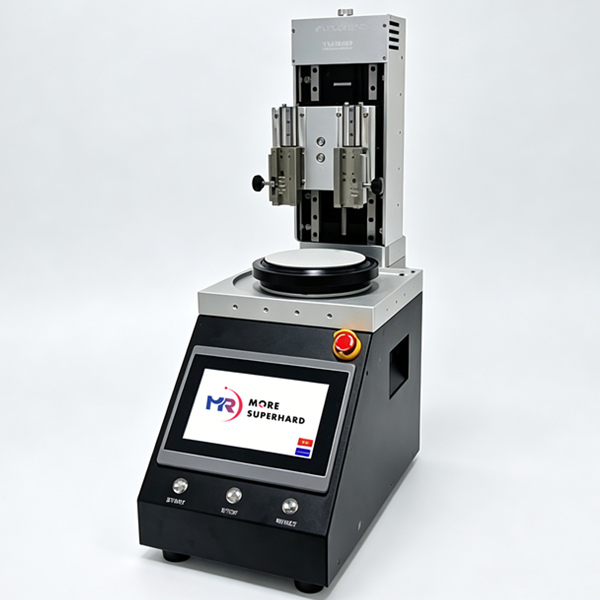
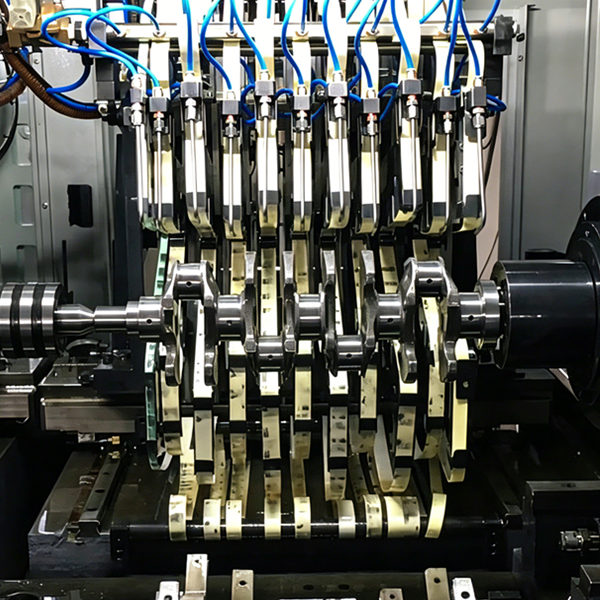
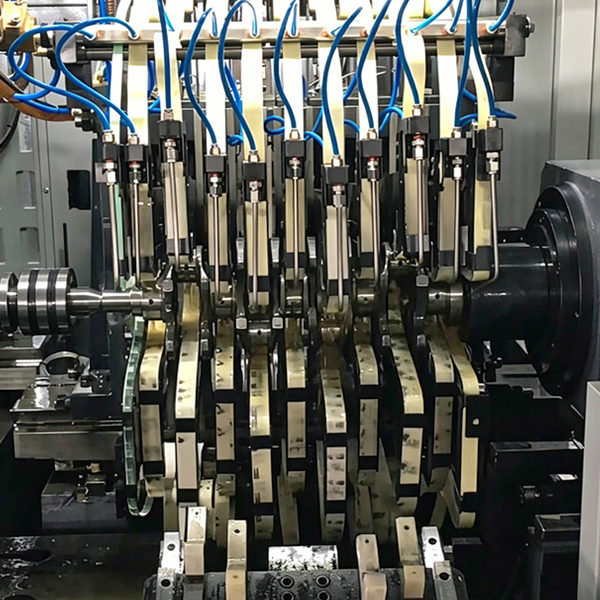
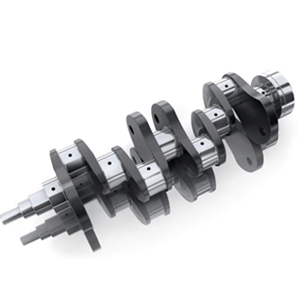
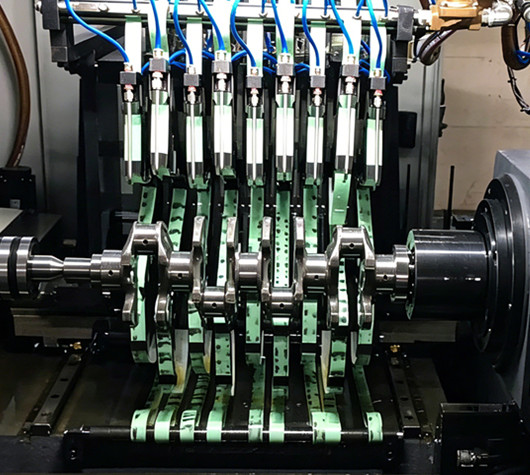
Modern crankshaft manufacturing requires more than dimensional accuracy. Surface texture and microgeometry directly influence lubrication behavior, seal performance and engine durability.
Grinding Chatter Marks Increase Noise and Wear
Microscopic chatter marks remaining after grinding may affect lubrication behavior and contribute to increased wear.
Solution
The superfinishing process helps remove grinding marks and improve journal surface consistency.
Poor Oil Film Retention Causes Higher Friction
Inadequate surface texture may reduce lubrication efficiency and affect bearing life.
Solution
Optimized superfinishing helps improve lubricant retention characteristics and supports hydrodynamic lubrication.
Difficulty Controlling Functional Roughness Parameters
Traditional polishing methods often struggle to maintain stable functional roughness characteristics.
Solution
The machine supports process optimization for target surface requirements including Rz and Rpk related characteristics.
Oil Seal Wear and Leakage
Excessive surface peaks may accelerate seal wear during long-term operation.
Solution
Optimized journal surfaces contribute to improved sealing performance and reduced wear risk.
Typical Processing Areas
• Main Journal
• Connecting Rod Journal
• Thrust Surface
• Oil Seal Area
• Fillet Radius Area
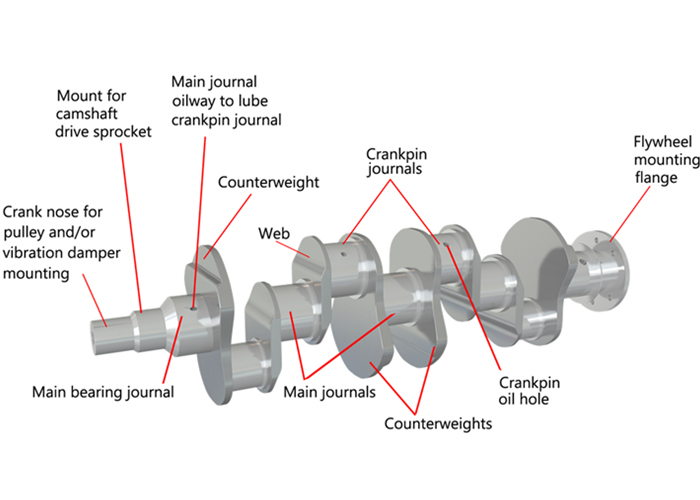
Complete Crankshaft Superfinishing Solution
Available together with:
• Crankshaft Polishing Machine
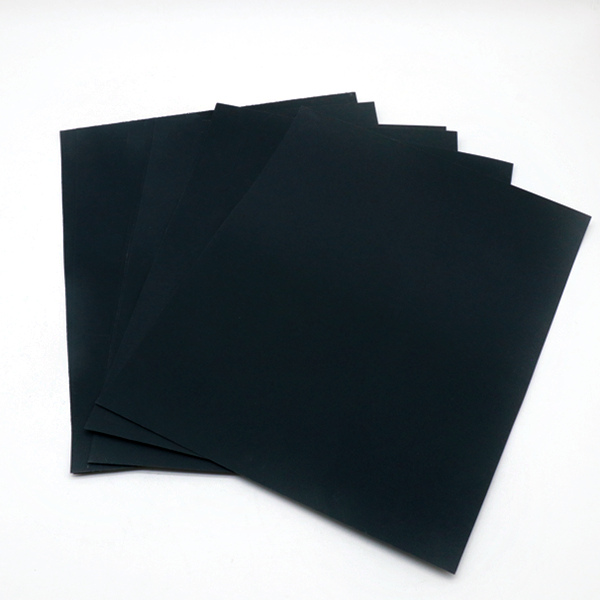
• Superfinishing Film Rolls
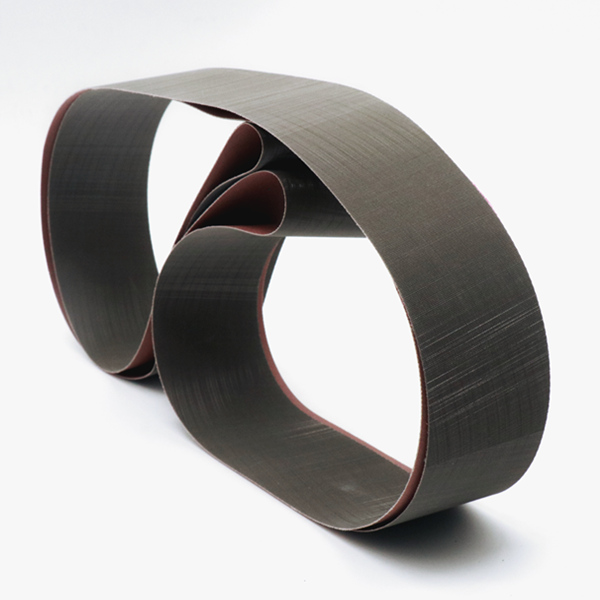
• Polishing Belts
• Process Development Support
• Surface Roughness Optimization Assistance

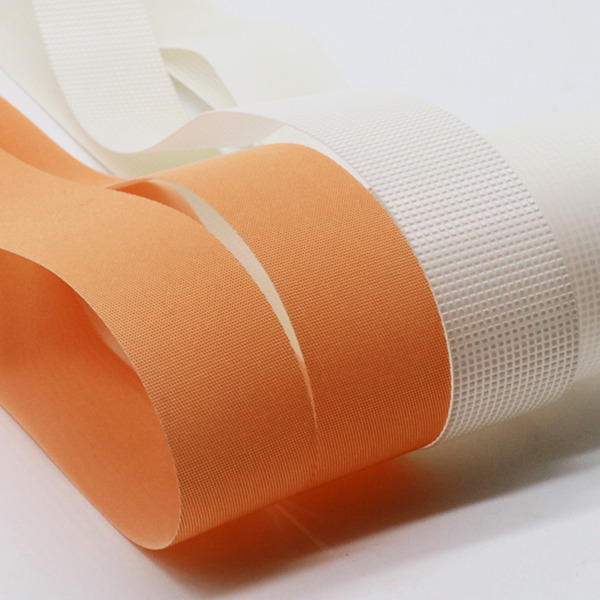 3D Structured Film (Cleaning belt for LCD panels)Flocked Pile Polishing Film for Roller Finishing and LCD Wiping
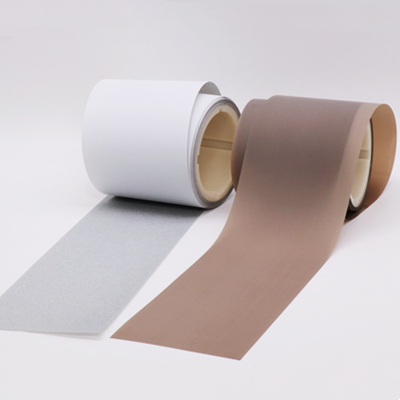 Polishing tape for repair defects and flatten protrusion points in LCD color filter process
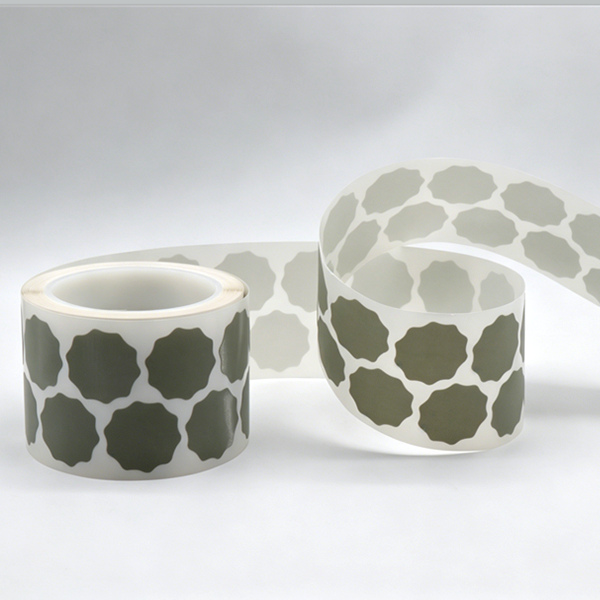 PSA Film Disc Roll for Fine Sanding and Finish of Automotive Coatings
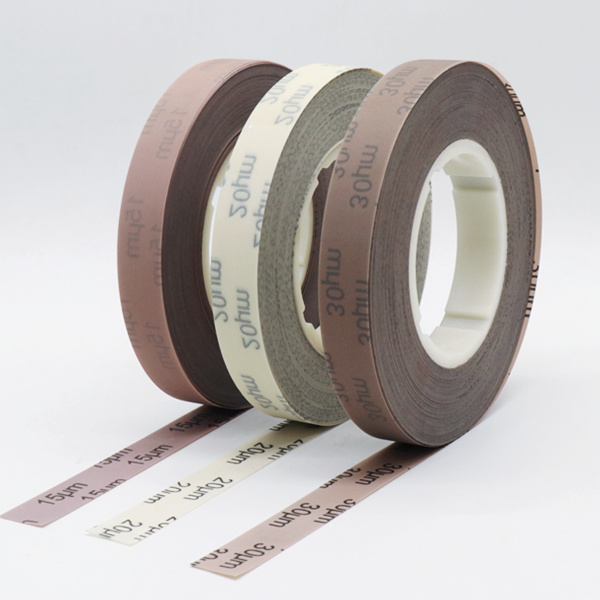 Electrostatic Coated Microfinishing Film Roll for Ultra-Fine Surface Finishing
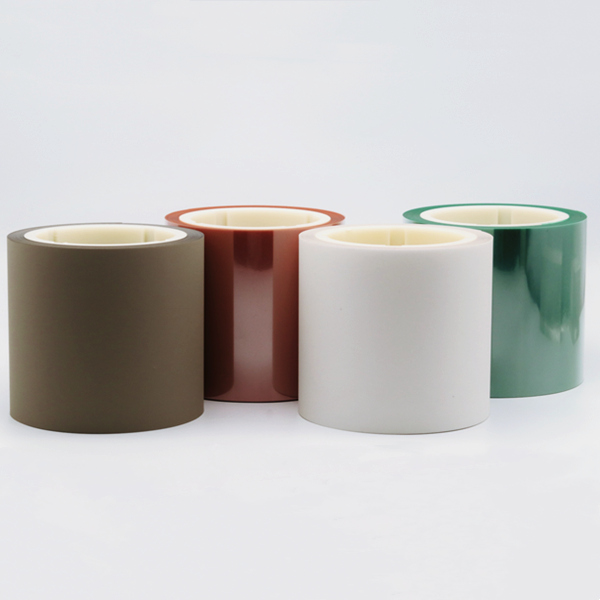 Precision Coated Diamond Roll for Fiber Optic & Microfinishing