| Item |
Specification |
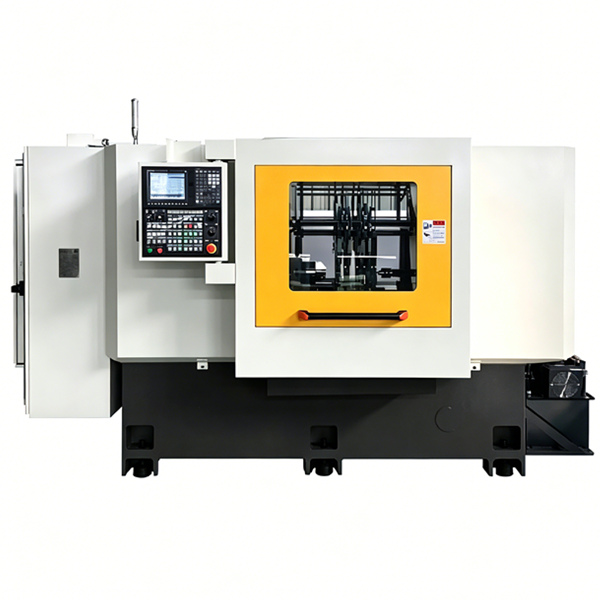
| Machine Type |
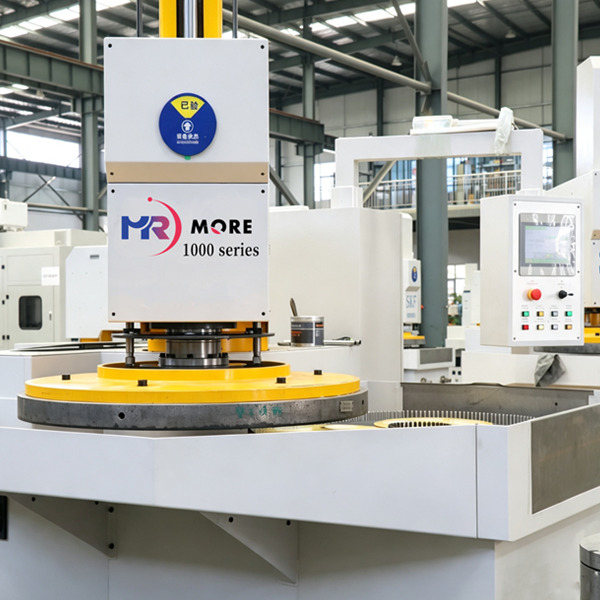
High Precision Surface Fine Grinding Machine |
| Grinding Method |
Double-Sided Surface Fine Grinding |
| Machine Model |
Ø700 |
| Grinding Plate Drive |
Independent Upper & Lower Drive |
| Control System |
CNC Control |
| Process Control |
Multi-Stage Grinding |
| Cooling System |
Constant-Temperature Cooling |
| Thickness Measurement |
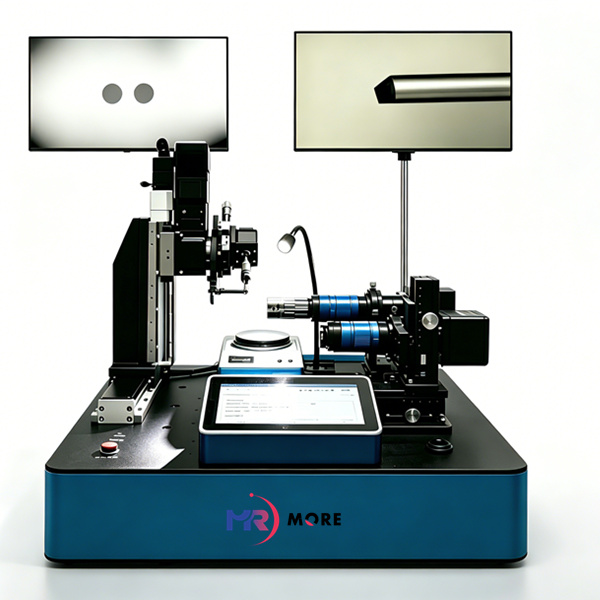
Automatic Thickness Measurement |
| Loading & Unloading |
Optional Semi-Automatic Loading & Unloading System |
Precision Solutions for Critical Grinding Challenges
Difficult Flatness Control
For precision components, achieving consistent flatness across the entire workpiece can be challenging when material removal is not evenly distributed.
Difficult TTV & Thickness Tolerance Control
Thickness variation can become a critical issue when producing precision components or wafer-related materials. Small dimensional variations between different workpieces may affect downstream assembly and product performance.
Grinding Heat Affects Process Stability
Continuous grinding generates heat, and uncontrolled temperature variation may influence the stability of grinding components and dimensional consistency.
Inconsistent Results During Batch Production
For high-volume precision manufacturing, repeating the same grinding conditions from one batch to another can be challenging when process parameters depend heavily on manual operation.

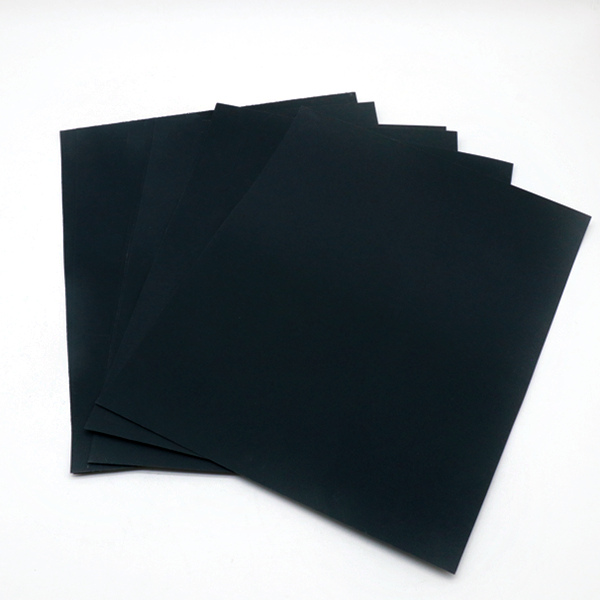
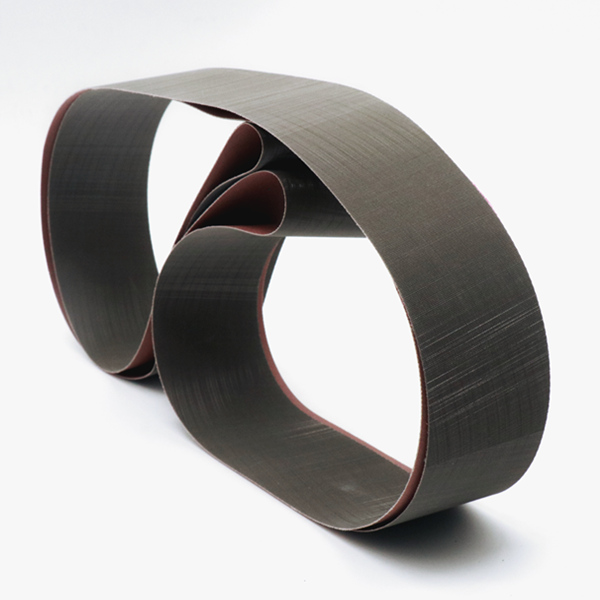
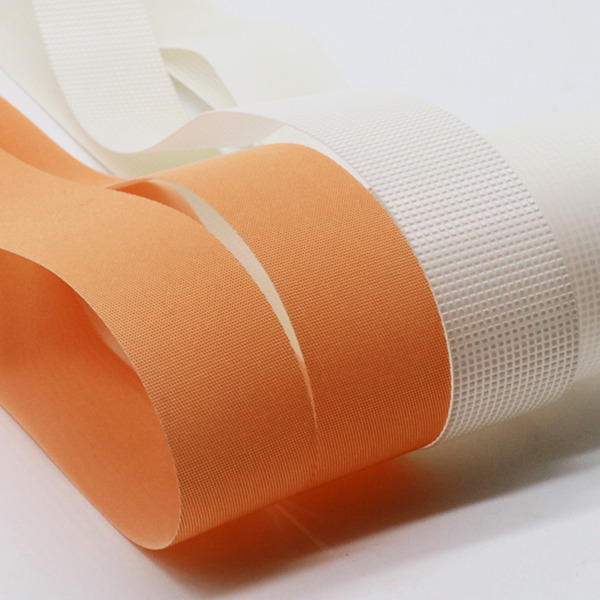 3D Structured Film (Cleaning belt for LCD panels)Flocked Pile Polishing Film for Roller Finishing and LCD Wiping
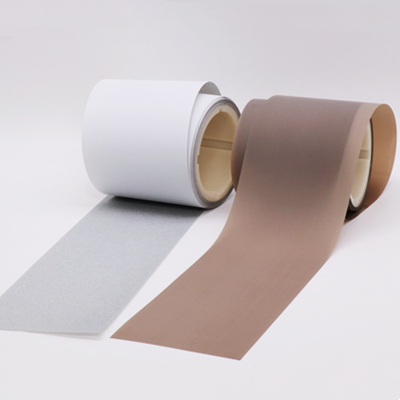 Polishing tape for repair defects and flatten protrusion points in LCD color filter process
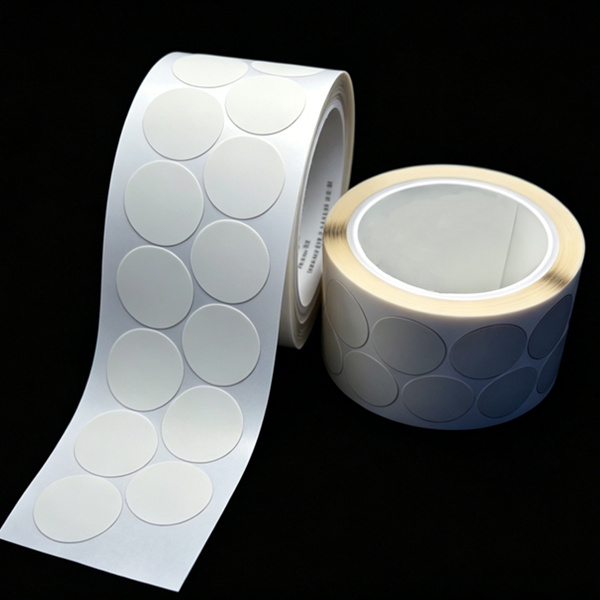
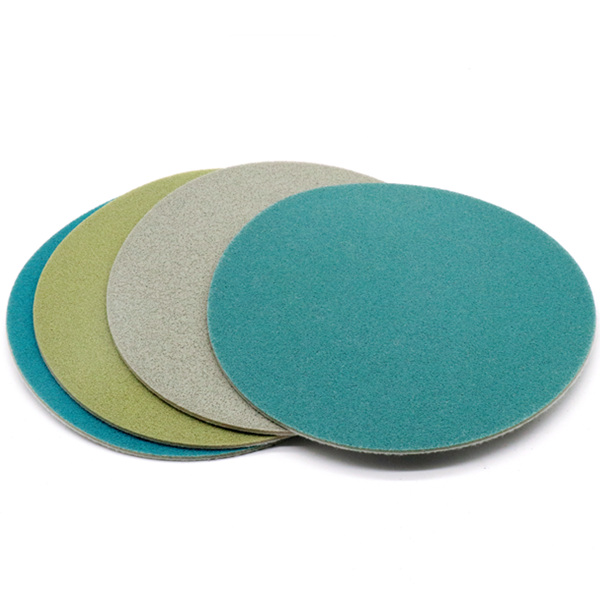
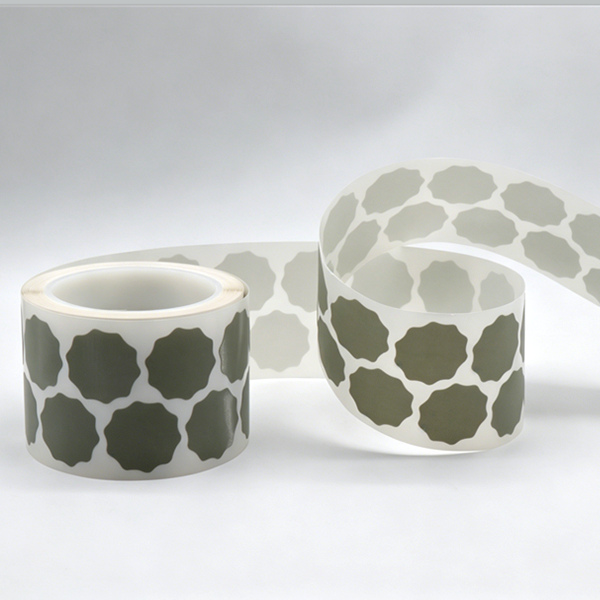 PSA Film Disc Roll for Fine Sanding and Finish of Automotive Coatings
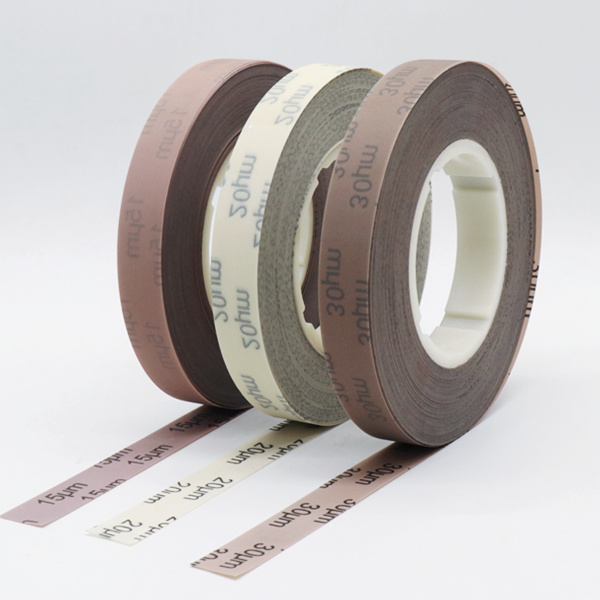 Electrostatic Coated Microfinishing Film Roll for Ultra-Fine Surface Finishing
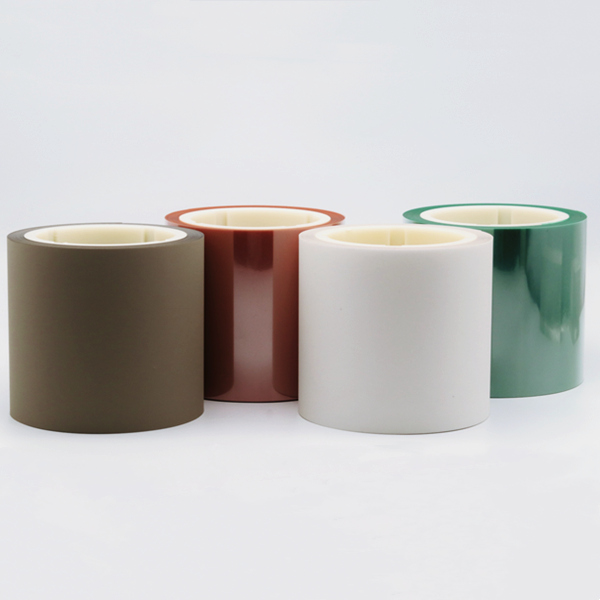 Precision Coated Diamond Roll for Fiber Optic & Microfinishing