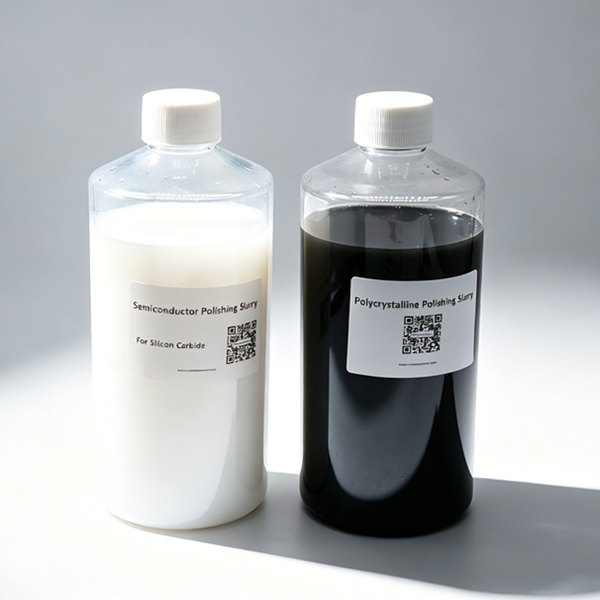
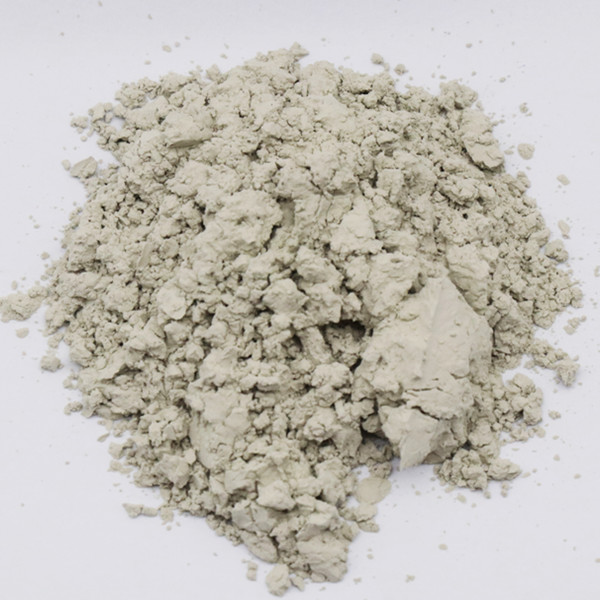
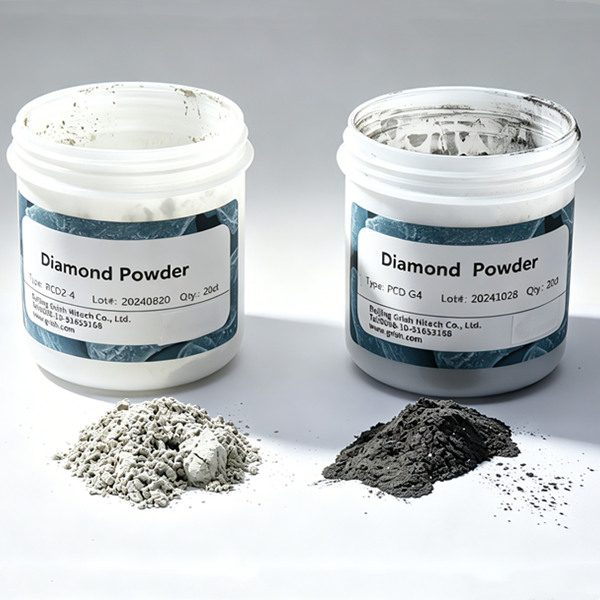
Synthetic diamond powder is one of the most important superhard abrasive materials used in precision grinding, lapping and polishing applications. Due to its excellent hardness and wear resistance, diamond abrasive powder is widely used for processing challenging materials including optical glass, sapphire, ceramics, tungsten carbide, semiconductor materials and precision molds.
However, different types of diamond powder provide different abrasive characteristics. The crystal structure, particle morphology, particle size distribution (PSD), and fracture behavior of diamond particles directly influence polishing performance, surface finish and application suitability.
The two main categories of synthetic diamond powder are:
-Monocrystalline Diamond Powder
-Polycrystalline Diamond Powder
Understanding the difference between monocrystalline diamond powder and polycrystalline diamond powder helps manufacturers select the right abrasive solution for their specific grinding and polishing requirements.
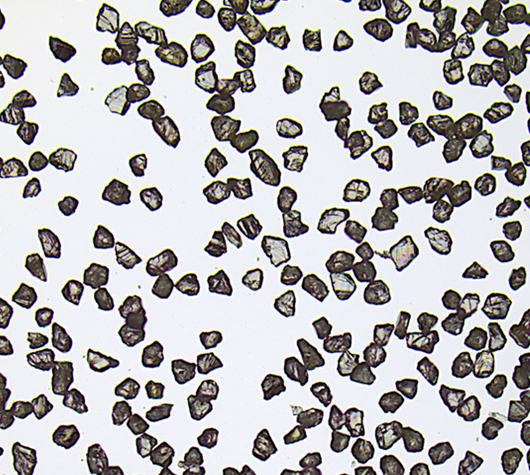
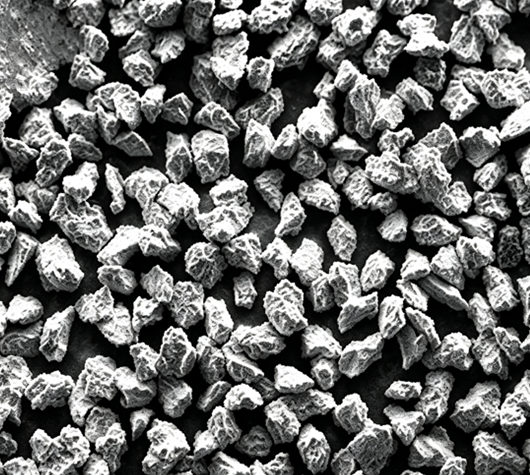
What Is Monocrystalline Diamond Powder?
Definition of Monocrystalline Diamond Powder
Monocrystalline diamond powder consists of individual synthetic diamond particles with a single crystal structure. Each abrasive particle is formed from one continuous diamond crystal, providing stable crystal integrity and predictable abrasive behavior during grinding and polishing processes.
Due to its stable cutting characteristics, monocrystalline diamond powder is widely used in precision grinding, lapping, diamond polishing compounds and bonded diamond tool manufacturing.
Typical applications include:
- Precision grinding
- Lapping applications
- Diamond polishing compounds
- Resin bond diamond wheels
- Metal bond diamond wheels
- Hard material processing
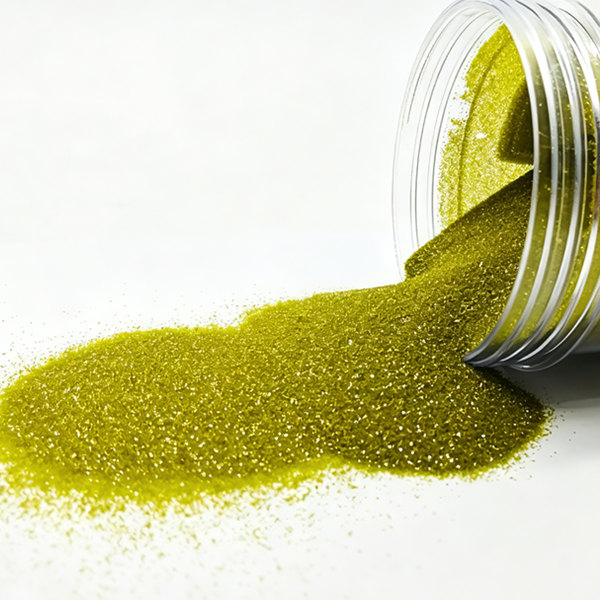
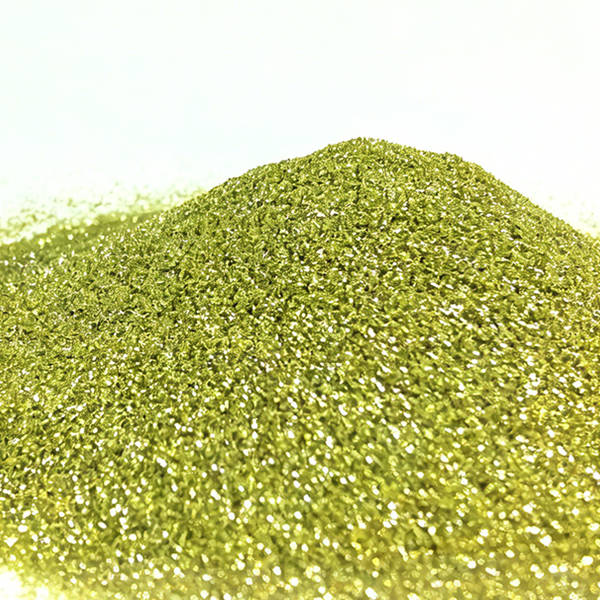
Key Characteristics of Monocrystalline Diamond Powder
1. Controlled Particle Morphology
Particle morphology plays an important role in diamond abrasive performance. Monocrystalline diamond powder can be produced with controlled particle shapes including blocky shape, rounded shape and irregular shape to meet different grinding and polishing requirements.
–Blocky Shape: Provides stable cutting edges and is commonly selected for applications requiring consistent material removal performance.
–Rounded Shape: Suitable for applications where smoother abrasive action and improved surface quality are important.
–Irregular Shape: Used for specific abrasive formulations requiring different cutting characteristics.
2. Stable Cutting Performance
Because monocrystalline diamond particles have a single crystal structure, they provide relatively stable cutting edges and predictable abrasive behavior during processing.
This makes monocrystalline diamond powder suitable for applications requiring:
* Consistent grinding performance
* Reliable abrasive behavior
* Controlled material removal
3. Excellent Wear Resistance
The strong crystal structure of monocrystalline diamond particles allows them to maintain abrasive performance during demanding grinding and lapping applications.
Therefore, monocrystalline diamond powder is commonly used in bonded diamond tools where durability and processing stability are important.
What Is Polycrystalline Diamond Powder?
Definition of Polycrystalline Diamond Powder
Polycrystalline diamond powder is composed of multiple small diamond crystals combined within a single abrasive particle. Unlike monocrystalline diamond particles, polycrystalline diamond particles contain multiple crystal structures that allow controlled fracture behavior during processing.
Due to its unique crystal structure, polycrystalline diamond powder is widely used in precision polishing applications where surface quality and controlled abrasive action are required.
Key Characteristics of Polycrystalline Diamond Powder
1. Self-Sharpening Abrasive Behavior
One of the important characteristics of polycrystalline diamond powder is its ability to generate new cutting edges through controlled micro-fracturing.
During polishing, fractured areas can expose fresh abrasive edges, helping maintain consistent polishing activity throughout the process.
2. Suitable for Fine Polishing Applications
Due to its multi-crystal structure and controlled fracture characteristics, polycrystalline diamond powder is often selected for applications requiring fine surface finishing and controlled material removal.
Typical applications include:
* Diamond slurry
* Precision polishing
* Optical component finishing
* Sapphire polishing
* Semiconductor material processing
3. Consistent Polishing Behavior
Polycrystalline diamond powder can provide stable polishing performance when properly selected according to material type, particle size, polishing equipment and process conditions.
Conclusion
Both monocrystalline diamond powder and polycrystalline diamond powder are important synthetic diamond abrasives, but they provide different abrasive characteristics.
Monocrystalline diamond powder is widely selected for applications requiring stable cutting performance, predictable abrasive behavior and reliable grinding efficiency.
Polycrystalline diamond powder is often preferred for precision polishing applications requiring controlled fracture behavior, fine finishing and consistent surface quality.
The best choice depends on the material being processed, required surface finish, removal requirements and application conditions.
Moresuperhard provides high-quality monocrystalline diamond powder and polycrystalline diamond powder with controlled particle morphology, narrow particle size distribution (PSD), high purity and stable batch consistency for precision grinding and polishing applications.

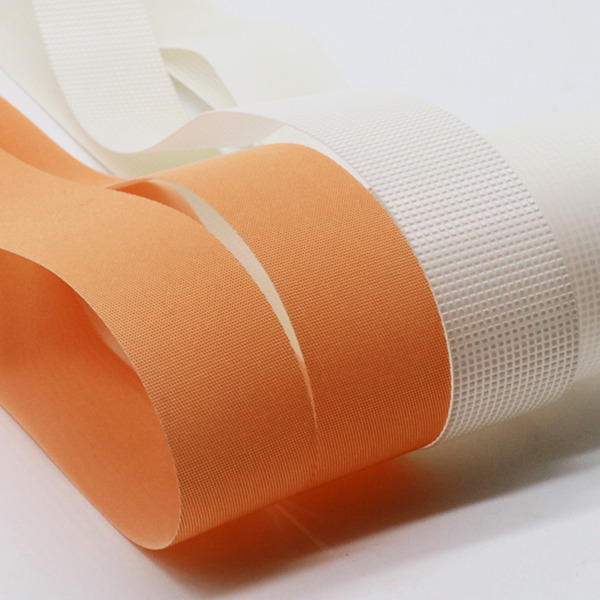 3D Structured Film (Cleaning belt for LCD panels)Flocked Pile Polishing Film for Roller Finishing and LCD Wiping
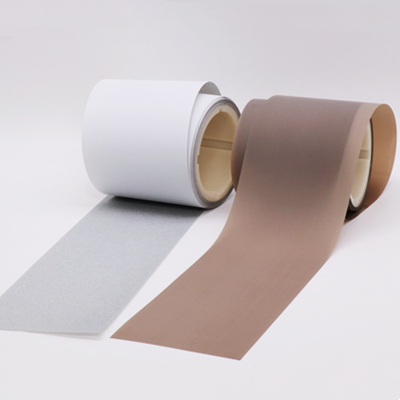 Polishing tape for repair defects and flatten protrusion points in LCD color filter process
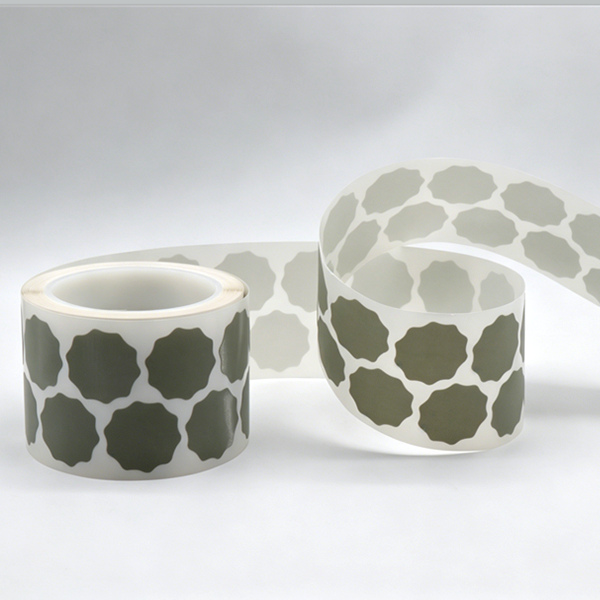 PSA Film Disc Roll for Fine Sanding and Finish of Automotive Coatings
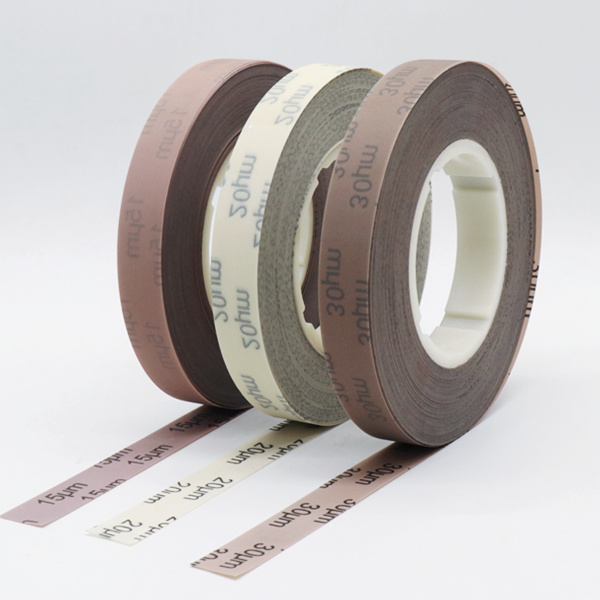 Electrostatic Coated Microfinishing Film Roll for Ultra-Fine Surface Finishing
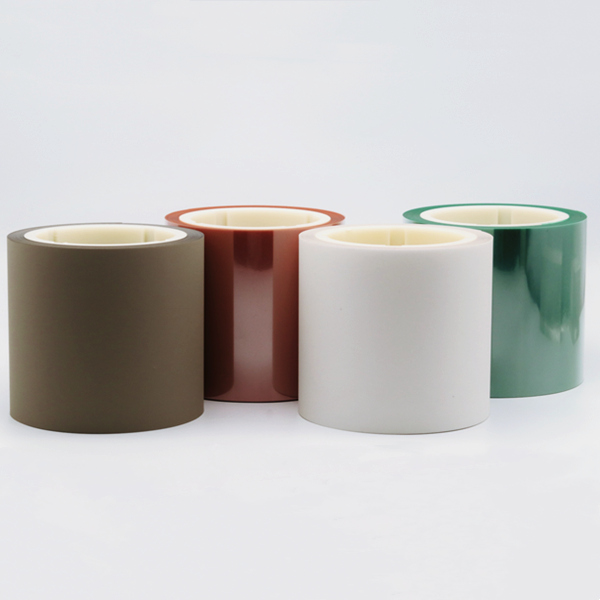 Precision Coated Diamond Roll for Fiber Optic & Microfinishing