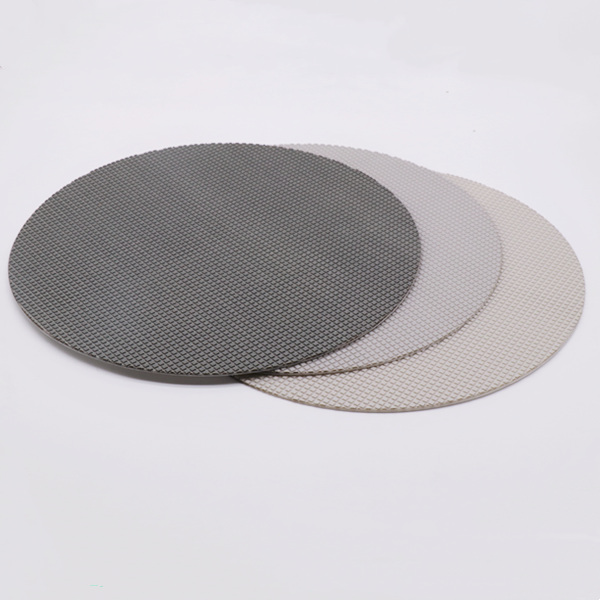
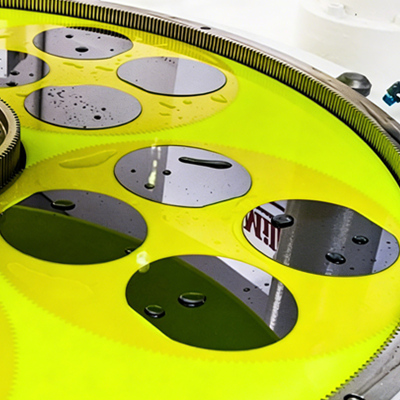
CMP consumables are critical to process stability, removal rate, wafer uniformity, and defect control. In high-volume semiconductor manufacturing, consumables often have a greater impact on polishing performance than the equipment itself.
The primary consumables include polishing slurry, polishing pads, pad conditioners, cleaning chemicals, and process filters. These components must work together to achieve the desired material removal while minimizing scratches, dishing, erosion, and particle contamination.
–CMP Polishing Pads
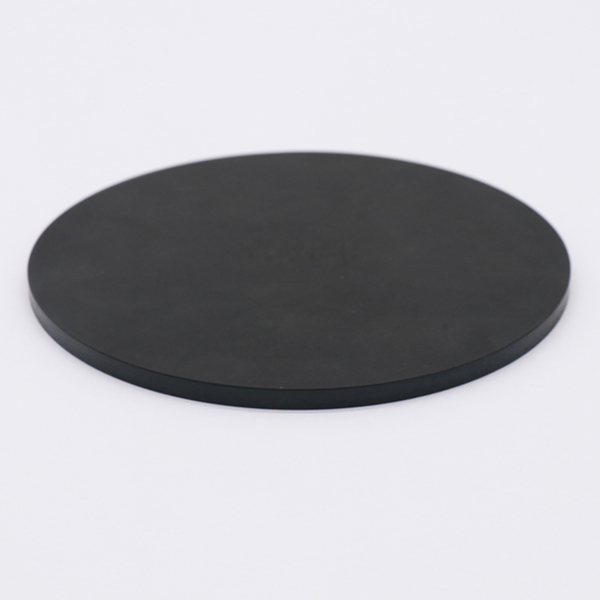
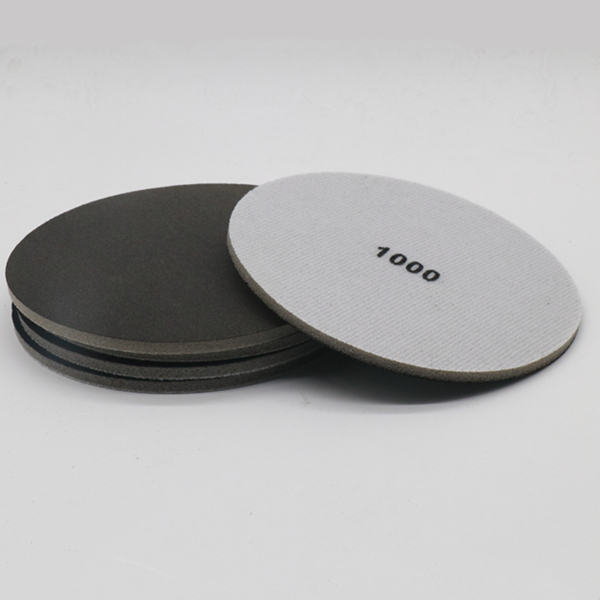
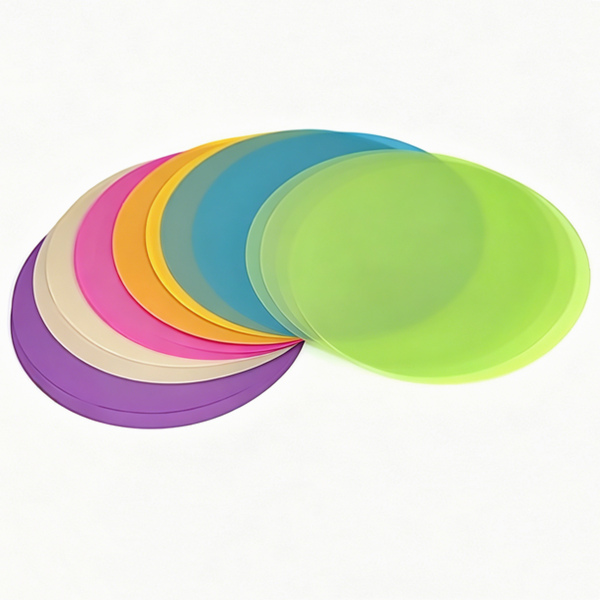
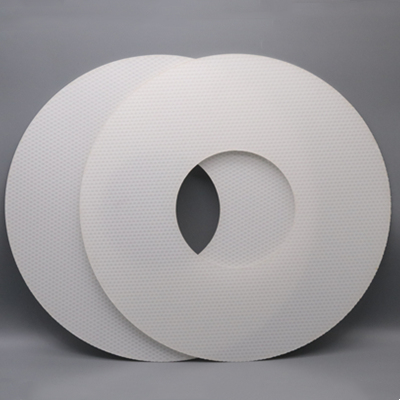
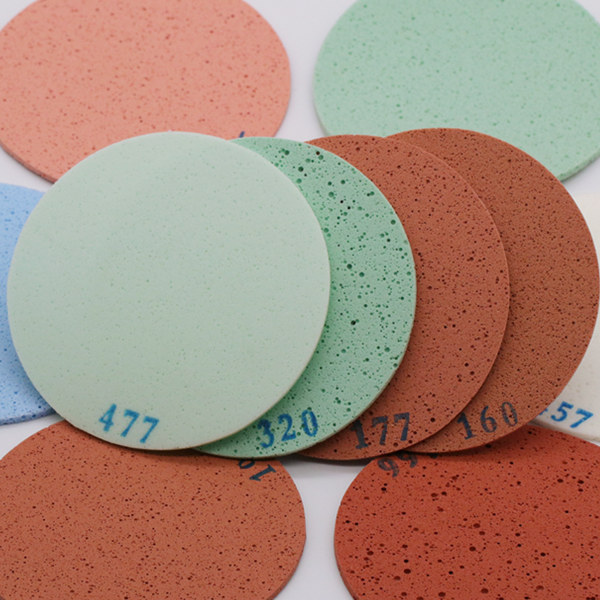
The polishing pad serves as the interface between the wafer and the polishing platen. Its mechanical properties directly influence contact pressure, slurry transport, material removal rate, and wafer planarity.
Most semiconductor CMP processes use polyurethane-based polishing pads with carefully engineered pore structures. These pores retain slurry while allowing polishing debris to be flushed away during processing.
Pad hardness, compressibility, groove design, and surface roughness all affect polishing performance. Selecting the appropriate pad depends on the substrate material, slurry chemistry, and required surface finish.
Functions of a CMP Pad
- Support uniform wafer contact
- Distribute polishing pressure evenly
- Retain and transport slurry
- Carry polishing debris away from the interface
- Improve planarization efficiency
- Reduce local surface defects
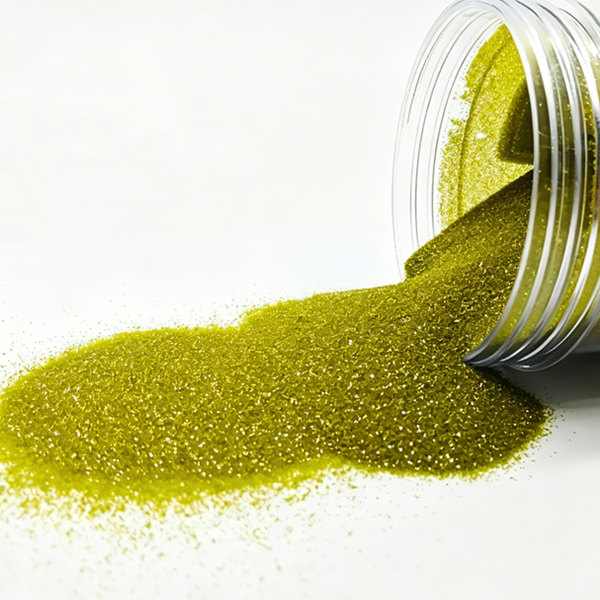
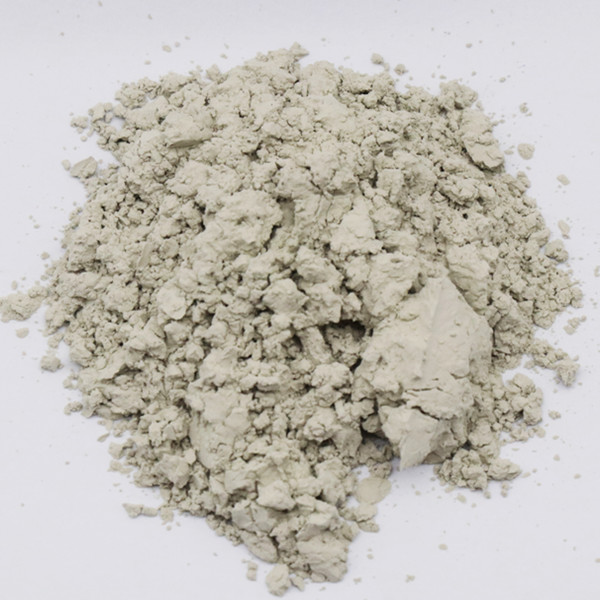
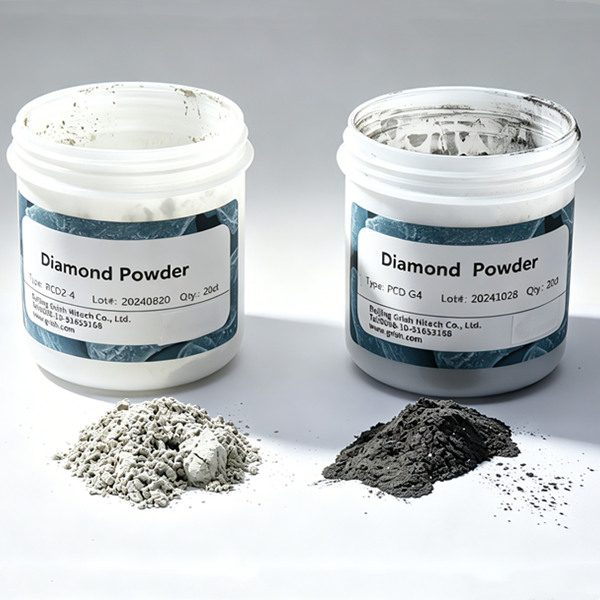
Diamond polishing Pad Conditioning
During polishing, the pad surface gradually becomes smooth due to continuous contact with the wafer. This glazing effect reduces slurry transport and decreases material removal rate. Diamond conditioning restores pad surface roughness by removing the glazed layer and reopening surface pores.
Proper conditioning helps maintain stable removal rates, improves wafer-to-wafer consistency, and extends polishing pad service life. Conditioning parameters such as pressure, sweep speed, and diamond pattern should be optimized for each polishing application.
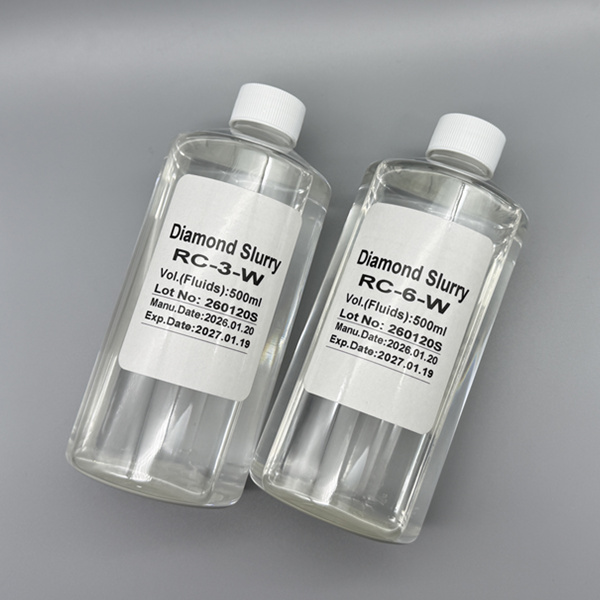
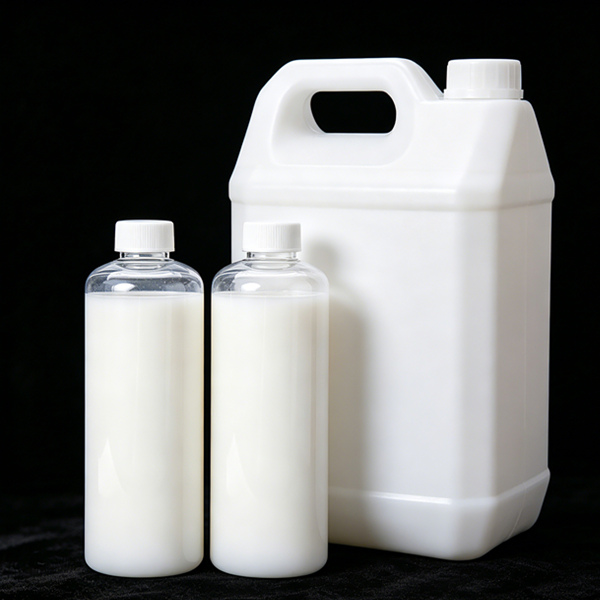
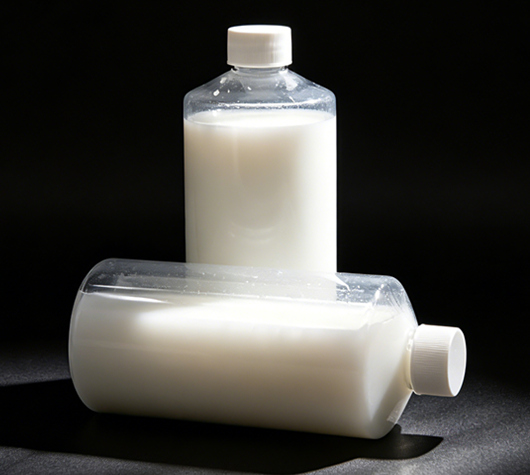
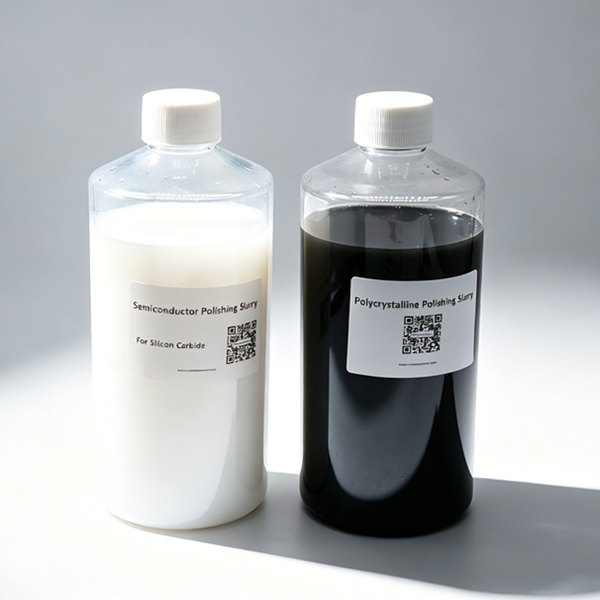
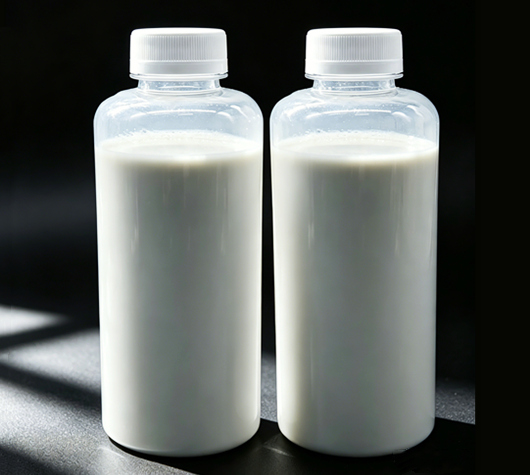
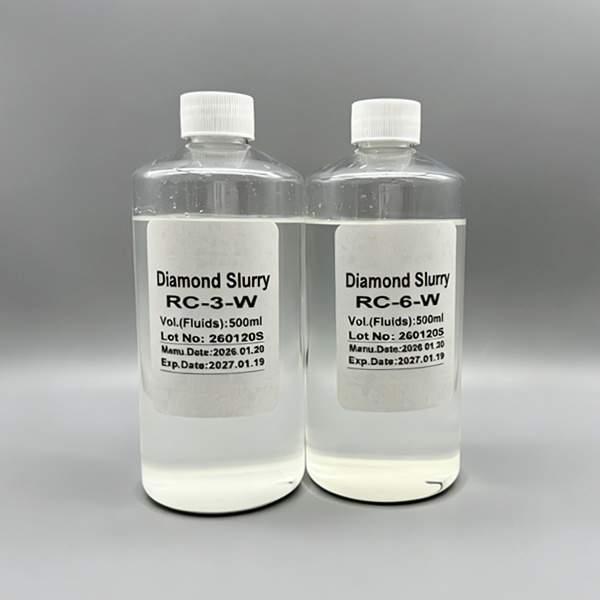
CMP slurry is a specially formulated liquid used during chemical mechanical polishing. Depending on the application, it may contain chemical components and abrasive particles designed for a specific material removal process.
The slurry performs two key functions: providing the required chemical environment and supporting mechanical material removal through abrasive particles.
For precision CMP applications, important slurry characteristics may include particle size distribution, dispersion stability, chemical stability and pH control. These factors can influence material removal behavior, surface quality and process consistency.
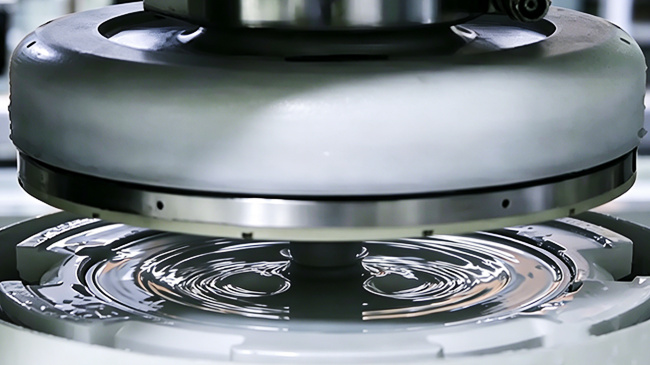
The performance of CMP consumables directly affects the interaction at the wafer-pad interface. Slurry chemistry and abrasive properties influence material removal, while polishing pad characteristics influence mechanical contact and slurry distribution.
Typical Slurry Components
- Abrasive particles
- Oxidizing agents
- Complexing agents
- Corrosion inhibitors
- pH adjustment chemicals
- Surfactants
- Dispersants
- Deionized water

Common Challenges in Chemical Mechanical Polishing
Balancing Chemical and Mechanical Action
One of the fundamental challenges in chemical mechanical polishing is achieving the right balance between chemical reaction and mechanical abrasion. Excessive mechanical action may increase the risk of surface defects, while insufficient mechanical removal may limit polishing efficiency.
Dishing and Erosion
In patterned semiconductor structures, non-uniform material removal may lead to effects such as dishing and erosion. Controlling slurry chemistry, abrasive characteristics, polishing pad behavior and process parameters is important for managing surface topography.
Particles and Surface Defects
After CMP, residual abrasive particles and chemical residues may remain on the wafer surface. These contaminants must be addressed through appropriate post-CMP cleaning. Surface defects and particle contamination are important concerns in advanced semiconductor manufacturing.
Process Stability
Changes in slurry properties, pad condition, pressure, rotation or slurry flow can affect material removal and surface quality. Stable consumables and controlled process conditions are therefore essential for repeatable CMP performance.
Maintaining slurry stability, particle size distribution, and chemical consistency is essential for achieving repeatable polishing performance throughout production.

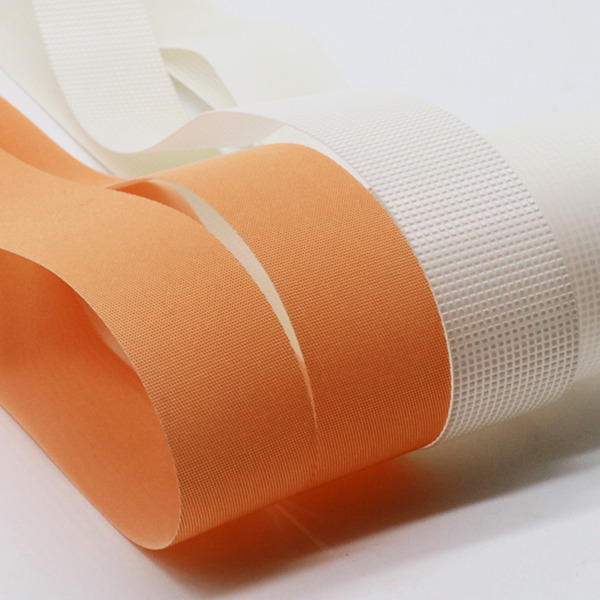 3D Structured Film (Cleaning belt for LCD panels)Flocked Pile Polishing Film for Roller Finishing and LCD Wiping
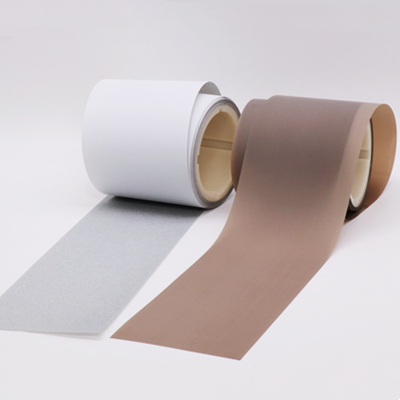 Polishing tape for repair defects and flatten protrusion points in LCD color filter process
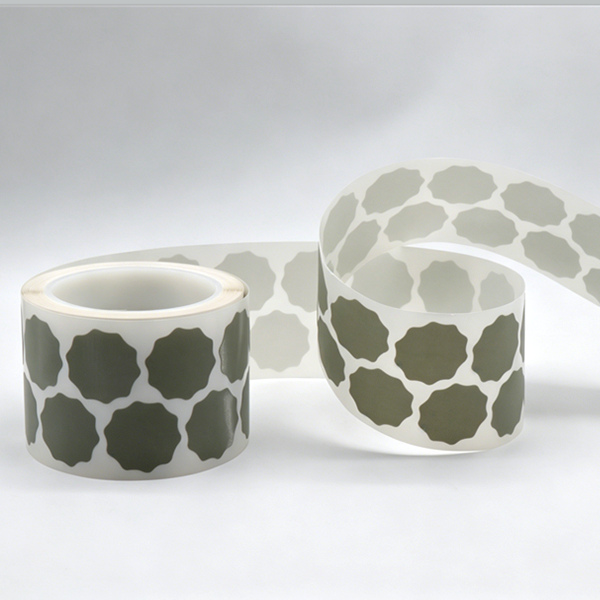 PSA Film Disc Roll for Fine Sanding and Finish of Automotive Coatings
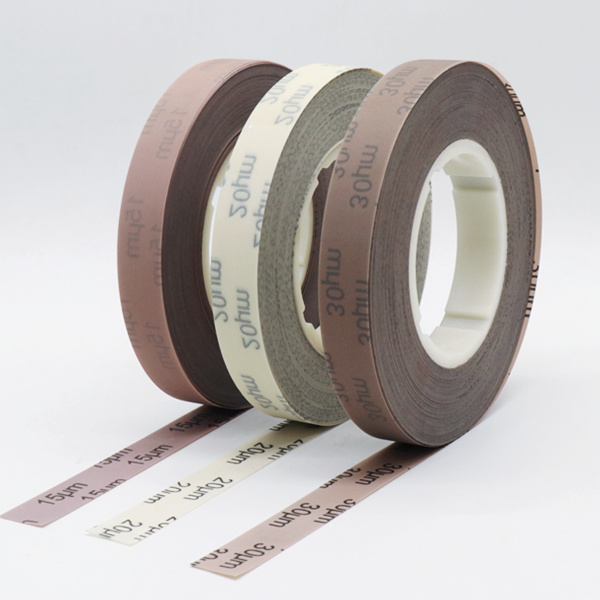 Electrostatic Coated Microfinishing Film Roll for Ultra-Fine Surface Finishing
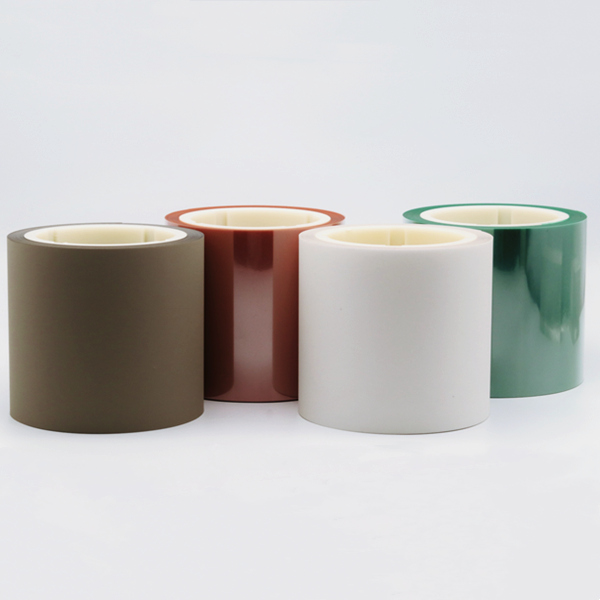 Precision Coated Diamond Roll for Fiber Optic & Microfinishing