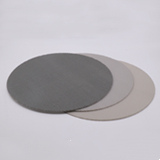
Polyurethane and Resin Bond Diamond Polishing Solutions
Optical materials such as optical glass, sapphire, quartz, crystal and advanced ceramic components are widely used in imaging systems, semiconductor devices, optical instruments and precision industries. Due to their strict requirements for surface quality, flatness and optical performance, traditional machining processes alone cannot achieve the required finishing standards.
The polishing process is therefore a critical step in optical material manufacturing. Among various polishing consumables, the polishing pad plays an important role in controlling material removal, surface quality and process stability. Selecting the right optical polishing pad can significantly influence polishing efficiency, surface defects and final product performance.
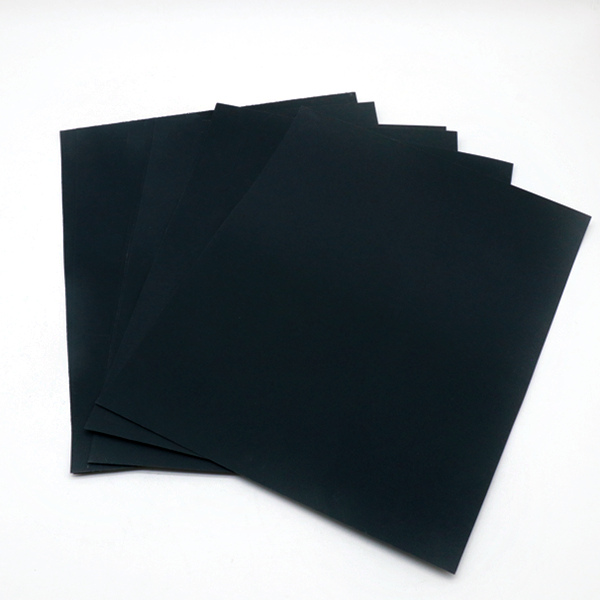
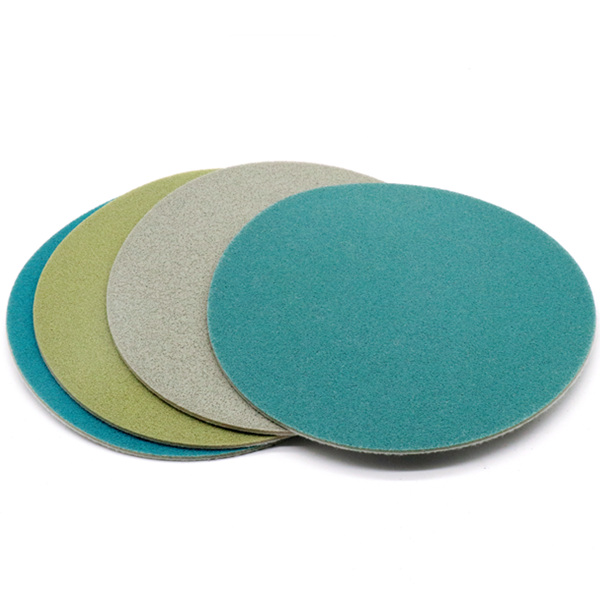
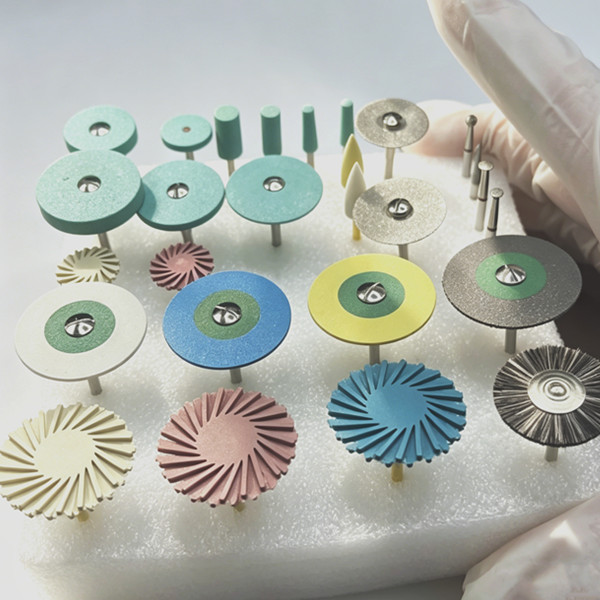
Depending on material characteristics and processing requirements, optical manufacturers commonly use different polishing pad solutions, including polyurethane polishing pads for precision finishing and resin bond diamond polishing pads for high-hardness material processing.


The Role of Polishing Pads in Optical Material Processing
During optical polishing, the interaction between the workpiece, abrasive particles and polishing pad determines the final surface quality. The polishing pad provides a controlled contact interface that transfers polishing pressure and supports uniform abrasive action across the material surface.
A high-quality polishing pad should maintain stable contact, provide consistent polishing performance and help reduce common defects such as scratches, uneven material removal and surface damage.
- Stable pressure distribution between pad and workpiece
- Uniform abrasive interaction during polishing
- Consistent material removal performance
- Improved surface finish quality
- Reduced polishing defects and process variation
Types of Polishing Pads Used for Optical Materials
Polyurethane Polishing Pads for Precision Surface Finishing
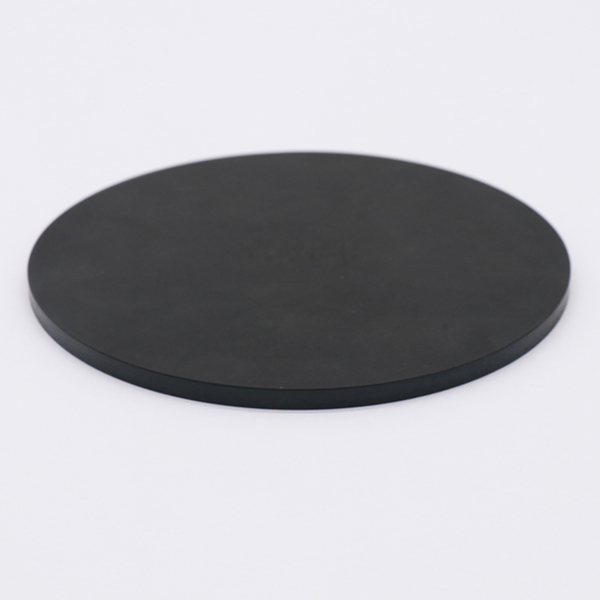
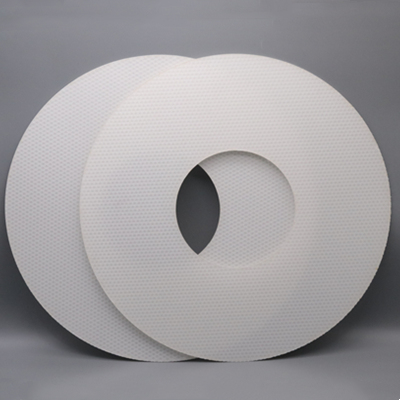
Polyurethane polishing pads are widely used in optical precision polishing applications because of their balanced mechanical properties, elasticity and surface adaptability.
The flexible structure of polyurethane allows the pad to maintain stable contact with optical components during polishing. When combined with polishing slurry, polyurethane polishing pads are suitable for achieving smooth surfaces and excellent finishing quality on materials such as optical glass, crystal and sapphire.
Typical advantages of polyurethane polishing pads include:
- Good elasticity and conformability
- Stable polishing pressure control
- Suitable for final polishing processes
- Compatible with various polishing slurry systems
- Excellent surface finishing capability

Resin Bond Diamond Polishing Pads for Hard Optical Materials
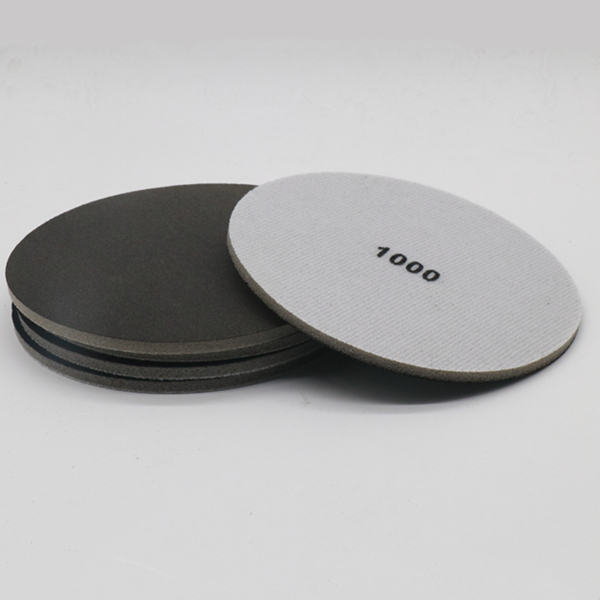
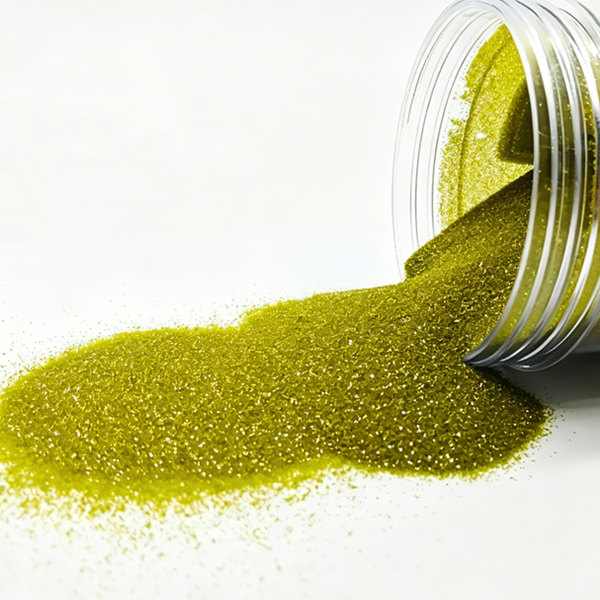
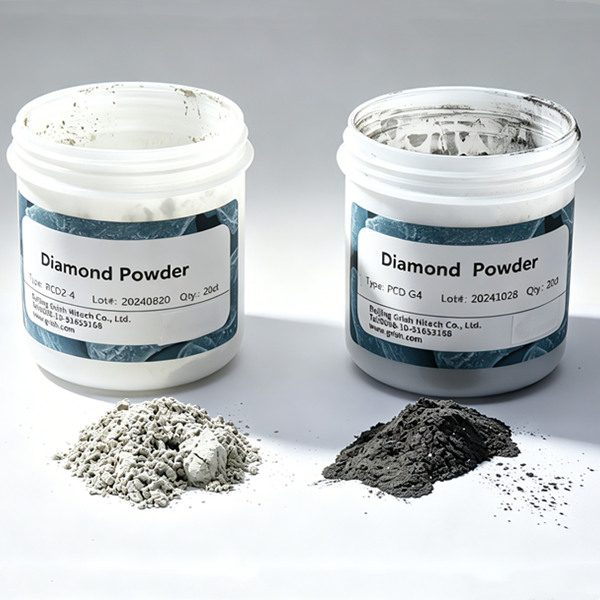
For hard and difficult-to-process materials, conventional polishing methods using free abrasive slurry may have limitations in processing efficiency. Resin bond diamond polishing pads provide a fixed abrasive polishing solution by embedding diamond particles into a resin bond matrix.
Unlike traditional polishing pads that mainly rely on loose abrasive particles, resin bond diamond polishing pads provide continuous cutting action through exposed diamond abrasives. This structure enables efficient material removal while maintaining controlled surface quality.
Resin bond diamond polishing pads are widely applied in processing:
- Sapphire substrates and components
- Silicon carbide (SiC)
- Quartz materials
- Optical crystals
- Advanced ceramics
Polyurethane Pad vs Resin Bond Diamond Pad: Different Applications
| Polishing Pad Type |
Main Advantage |
Typical Applications |
| Polyurethane Polishing Pad |
Excellent surface finishing and polishing stability |
Optical glass, crystal, final polishing applications |
| Resin Bond Diamond Polishing Pad |
Higher cutting efficiency with fixed diamond abrasives |
Sapphire, SiC, ceramic and hard optical materials |
Applications of Polishing Pads in Optical Industries
Optical Glass Polishing
Optical glass is widely used in lenses, cameras, microscopes and precision optical systems. During manufacturing, even small surface defects may affect optical performance.
For optical glass polishing, polyurethane polishing pads are commonly selected for final finishing because they provide stable contact and support high-quality surface improvement when used with suitable polishing slurry.
Sapphire Polishing
Sapphire is a high-hardness material widely used in LED substrates, optical windows and protective components. Due to its excellent hardness and wear resistance, sapphire requires efficient polishing solutions.
Resin bond diamond polishing pads provide stronger cutting capability for sapphire processing by utilizing fixed diamond abrasives. They are suitable for applications requiring higher material removal efficiency and stable polishing performance.
Quartz, Crystal and Ceramic Polishing
Quartz, optical crystals and ceramic materials are used in various precision applications due to their excellent mechanical and optical properties. These materials often require specialized polishing processes to achieve smooth surfaces and dimensional accuracy.
The selection of polishing pad type, diamond particle size and bond structure plays an important role in balancing polishing efficiency and surface quality.
Common Challenges in Optical Material Polishing
Low Material Removal Efficiency
Hard optical materials such as sapphire and ceramics are difficult to process due to their high hardness. Using conventional polishing methods may result in long processing cycles.
Resin bond diamond polishing pads improve processing efficiency by providing continuous diamond cutting action and stable abrasive performance.
Surface Scratches and Defects
Surface scratches are one of the major concerns in precision optical manufacturing. They can result from unstable abrasive distribution, contamination or unsuitable polishing conditions.
Proper polishing pad selection, controlled abrasive distribution and optimized processing parameters help reduce surface defects.
Inconsistent Polishing Results
For optical component manufacturers, batch-to-batch consistency is essential. Variations in pad structure, abrasive distribution and material properties may affect polishing stability.
High-quality polishing pads with stable manufacturing processes help improve repeatability and production reliability.
How to Select the Right Polishing Pad for Optical Applications?
Choosing the correct polishing pad depends on the material type, polishing stage and required surface performance.
- Material hardness: Hard materials such as sapphire and SiC usually require diamond-based polishing solutions.
- Processing stage: Final finishing often requires polyurethane polishing pads, while higher removal applications may require resin bond diamond polishing pads.
- Surface quality requirements: Optical applications requiring ultra-smooth surfaces need optimized pad structures and abrasive selection.
- Production efficiency: Fixed abrasive diamond pads can improve processing efficiency for difficult materials.
Moresuperhard Polishing Pad Solutions for Optical Processing
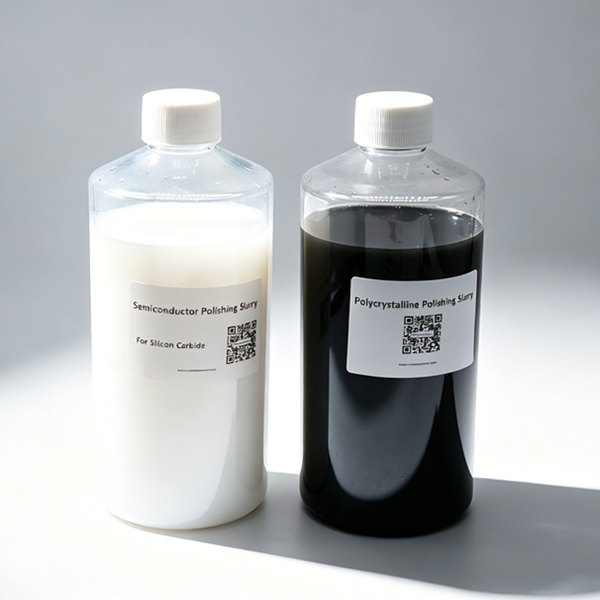
As a professional manufacturer of polishing consumables, Moresuperhard provides polishing solutions including polyurethane polishing pads, resin bond diamond polishing pads, polishing slurry and other precision polishing materials.
By optimizing abrasive selection, resin bond technology and pad structures, our polishing solutions support customers in optical glass, sapphire, semiconductor and advanced material processing applications.
Conclusion
Polishing pads are essential consumables in modern optical material processing. Different materials require different polishing strategies. Polyurethane polishing pads provide excellent finishing performance for precision optical surfaces, while resin bond diamond polishing pads offer efficient fixed-abrasive solutions for hard materials.
Selecting the right polishing pad according to material properties and processing requirements is the key to achieving stable polishing performance, improved surface quality and reliable production efficiency.

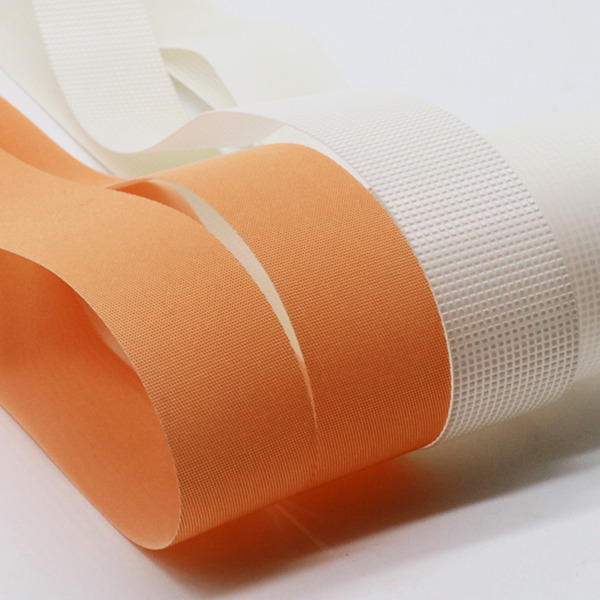 3D Structured Film (Cleaning belt for LCD panels)Flocked Pile Polishing Film for Roller Finishing and LCD Wiping
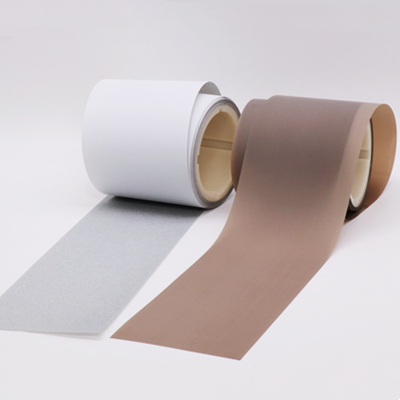 Polishing tape for repair defects and flatten protrusion points in LCD color filter process
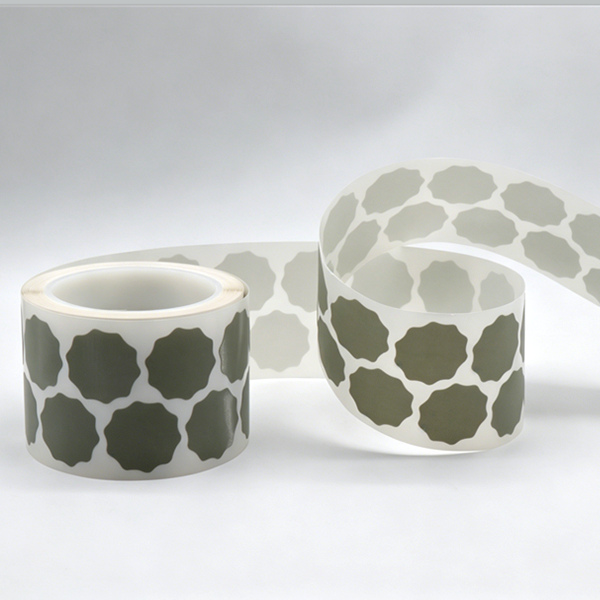 PSA Film Disc Roll for Fine Sanding and Finish of Automotive Coatings
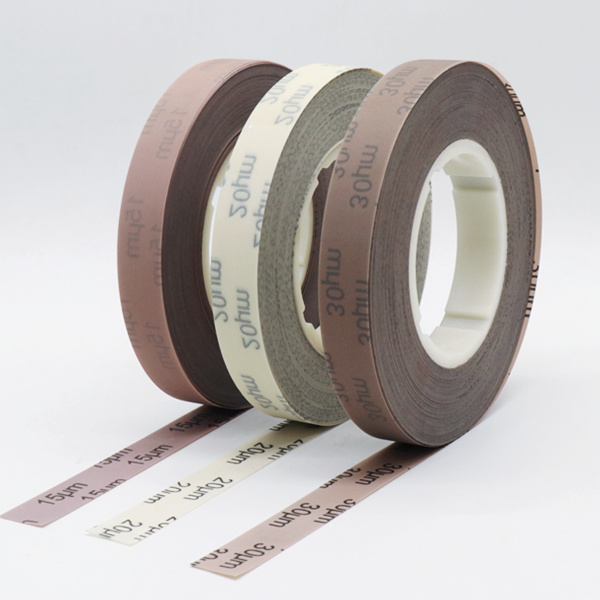 Electrostatic Coated Microfinishing Film Roll for Ultra-Fine Surface Finishing
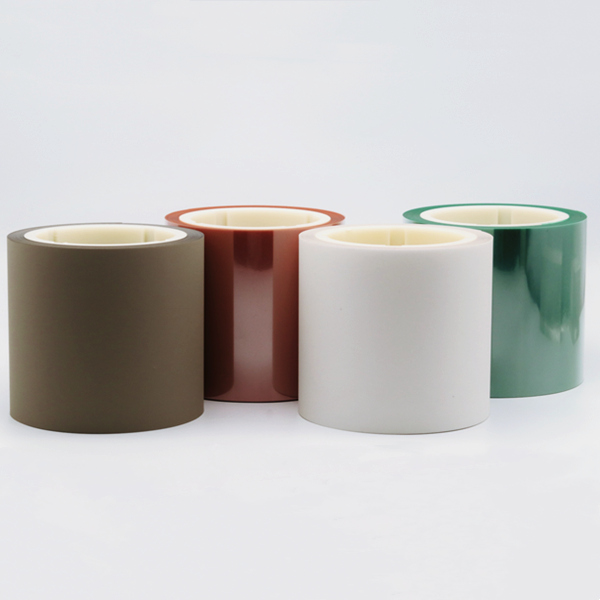 Precision Coated Diamond Roll for Fiber Optic & Microfinishing