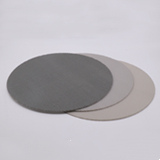
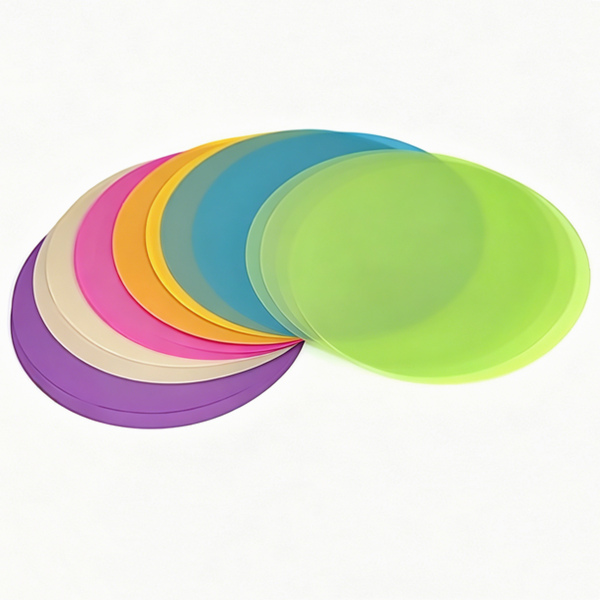
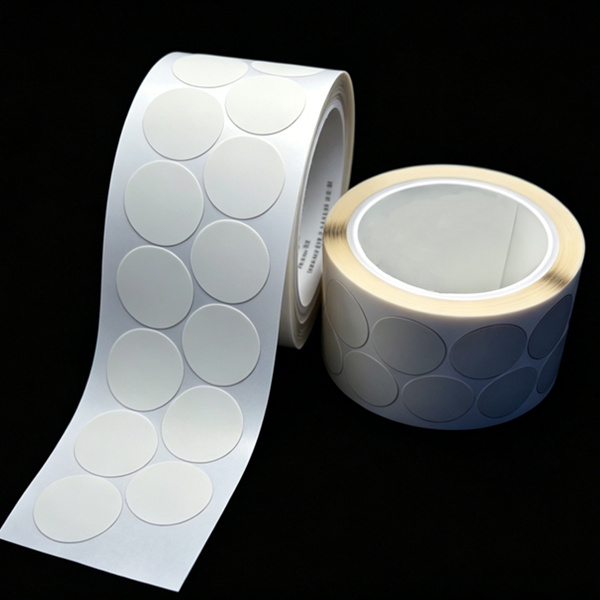
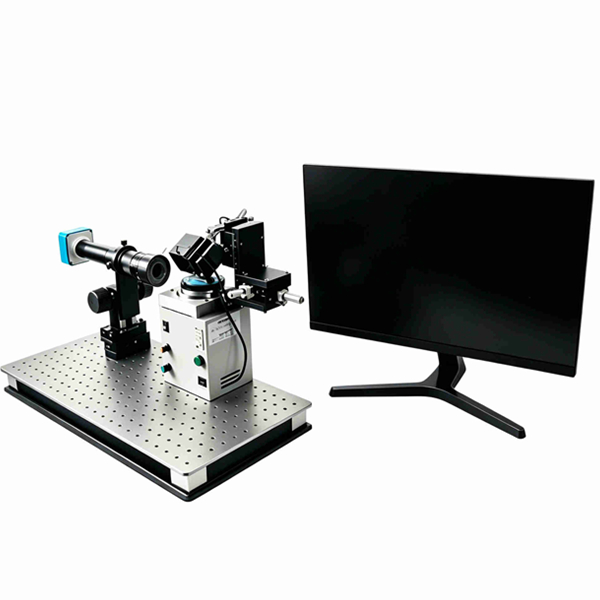
A polishing pad is a critical consumable in precision polishing, CMP, wafer polishing, optical polishing, ceramic finishing and other surface finishing processes. When a polishing pad wears faster than expected, the result is not only higher consumable costs. Excessive pad wear can also change the polishing rate, surface uniformity, slurry retention and final surface quality.
So, why is my polishing pad wearing too fast? In most cases, the problem is not caused by the pad alone. Pad wear is influenced by the interaction between the pad material, abrasive, polishing pressure, relative speed, conditioning process, slurry and workpiece.
This guide explains the most common causes of polishing pad wear and practical ways to improve polishing pad life.
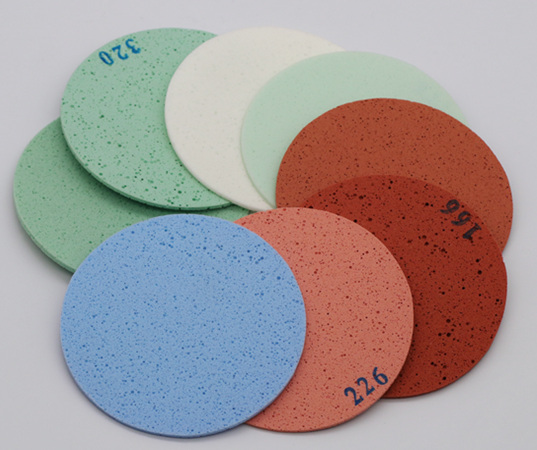

What Causes Polishing Pad Wear?
The main factors affecting polishing pad wear rate include:
- Excessive pad conditioning
- High conditioning pressure
- High relative velocity
- Incorrect polishing pad selection
- Improper conditioning pattern or sweep profile
- Slurry and abrasive conditions
- Pad glazing, loading or contamination
- Uneven contact and non-uniform pad wear
These factors can interact with each other. For example, increasing conditioning intensity may restore pad roughness and polishing performance, but excessive conditioning also removes more pad material and shortens pad life.
1. Excessive Polishing Pad Conditioning
One of the most common causes of rapid pad wear is aggressive or excessive polishing pad conditioning.
In CMP and other abrasive polishing processes, conditioning is used to restore the pad surface, remove debris and maintain the surface texture needed for slurry transport and stable material removal. However, conditioning itself is an abrasive process and inevitably removes some pad material.
Research on CMP conditioning has shown that conditioning parameters directly affect pad wear profiles and pad lifetime. Conditioning pressure, velocity, time and sweep pattern are important variables that need to be controlled rather than simply maximized.
If your pad is wearing too quickly, check whether the conditioning time or frequency is higher than necessary.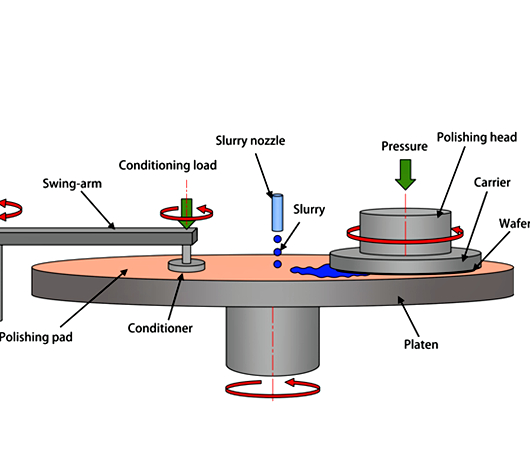
What to check
- Conditioning time per polishing cycle
- Conditioning frequency
- Conditioning pressure
- Conditioner rotation speed
- Conditioner sweep speed
- Conditioning coverage across the pad
The goal is not to use the strongest possible conditioning. The goal is to maintain the required pad surface condition with the minimum necessary pad removal.
2. Conditioning Pressure Is Too High
Polishing pad conditioning pressure has a direct influence on pad wear. A diamond conditioner mechanically removes material from the pad surface. Increasing the contact pressure increases the mechanical interaction between the conditioner and pad.
Technical studies of CMP conditioning report that pad wear rate increases with conditioning contact pressure and conditioning velocity.
Therefore, if you increase conditioner pressure to recover polishing performance, you may also significantly increase pad consumption.
A better approach is to establish a conditioning window that provides sufficient surface renewal without unnecessarily accelerating pad wear.
3. Conditioning Speed and Sweep Pattern Are Not Optimized
Conditioning is not determined only by pressure. The relative motion between the conditioner and polishing pad also affects the wear profile.
An uneven sweep pattern can cause certain areas of the pad to receive more conditioning than others. This may create localized wear, changes in pad thickness and variations in the pad surface profile.
Research on swing-arm CMP conditioning has shown that different conditioner duration and sweep profiles can produce different pad wear distributions. Uneven pad wear can subsequently affect material removal rate and within-wafer non-uniformity.
In other words, fast polishing pad wear is not always uniform polishing pad wear. If you observe a worn ring, localized depression or uneven pad thickness, inspect the conditioning motion instead of simply replacing the pad.
4. The Polishing Pad Is Not Suitable for the Application
Polishing pad selection is another important factor affecting pad life.
Different polishing pads have different hardness, compressibility, porosity, surface structures and mechanical properties. A pad designed for one material or polishing stage may not provide the desired combination of material removal, surface finish and wear resistance in another process.
For example, rigid polyurethane pads are widely used in CMP because their mechanical properties and surface structure can provide controlled contact and slurry transport. Softer or more compliant pads may be preferred where conformability is more important.
The correct choice depends on the workpiece material, abrasive type, required surface roughness, material removal rate and polishing pressure.
If a pad consistently wears too quickly even under controlled conditioning conditions, reconsider whether the pad hardness, structure and material are appropriate for the application.
5. High Abrasive Loading or Aggressive Slurry Conditions
The polishing slurry also affects the interaction between the workpiece, abrasive particles and pad.
In free-abrasive polishing, abrasive particle size, pad properties and contact pressure can influence both material removal and wear behavior. Experimental research has reported that polishing conditions and abrasive characteristics can affect pad wear rate and surface roughness.
For this reason, changing the abrasive concentration, particle size or slurry formulation without re-optimizing the pad and process parameters can change pad consumption.
If your polishing pad wear rate suddenly increases after changing slurry, check:
- Abrasive particle size
- Abrasive concentration
- Slurry flow rate
- Slurry chemistry
- Polishing pressure
- Pad surface condition
6. Pad Glazing or Loading Is Being Mistaken for Pad Wear
Sometimes a polishing pad appears to be wearing out quickly when the real problem is pad glazing or loading.
During polishing, debris and slurry by-products can accumulate on the pad surface. The pad asperities can also deform or become flattened. This reduces the pad’s ability to maintain the surface characteristics needed for stable polishing.
Studies of CMP pad surfaces have observed glazing and changes in pad surface morphology during use. Conditioning is used to rejuvenate the surface, but excessive conditioning can then accelerate pad wear.
This creates an important process balance:
Too little conditioning → glazing and reduced polishing performance.
Too much conditioning → excessive pad wear and shorter pad life.
The objective is to find the conditioning level that maintains the required polishing performance without removing unnecessary pad material.
7. Uneven Contact Causes Localized Pad Wear
If the workpiece or polishing head does not contact the pad uniformly, some regions may experience higher mechanical loading than others.
This can result in uneven pad wear, changes in pad profile and variations in material removal rate.
Uneven pad wear is particularly important in precision polishing because pad profile changes can affect polishing uniformity. Research has linked pad wear profiles with changes in material removal rate and within-wafer non-uniformity in CMP.
When diagnosing rapid wear, therefore, measure the pad profile rather than looking only at the total pad thickness.
8. Temperature and Pad Material Changes
Temperature can also influence pad mechanical properties and conditioning behavior.
Research investigating CMP pad-conditioning performance found that significant changes in pad properties at elevated process temperatures can influence pad wear behavior. The study also identified conditioner diamond-tip shape and configuration as important parameters affecting conditioning performance.
This means that a change in process temperature can sometimes appear as a sudden change in pad wear rate, even when the conditioning recipe has not changed.
If pad wear increases unexpectedly, compare the current process temperature with historical production data.
How to Reduce Polishing Pad Wear
If your polishing pad is wearing too fast, do not immediately switch to a harder pad. First check the complete polishing system.
- Review conditioning pressure. Reduce excessive pressure while maintaining sufficient surface renewal.
- Optimize conditioning time. Avoid unnecessary conditioning cycles.
- Check conditioner motion. Verify rotation, sweep speed and coverage.
- Measure pad thickness and profile. Look for localized wear rather than only average thickness loss.
- Check pad glazing. A glazed pad may require optimized conditioning rather than immediate replacement.
- Review slurry conditions. Changes in abrasive concentration or particle size can affect polishing behavior.
- Confirm pad compatibility. Match pad hardness and structure with the workpiece and polishing stage.
- Monitor polishing performance. Track removal rate, surface roughness and uniformity together with pad wear.
How Long Should a Polishing Pad Last?
There is no universal polishing pad lifespan. Pad life depends on the pad material, application, polishing pressure, abrasive system, conditioning method, process temperature and required polishing performance.
For CMP, pad end-of-life is not determined simply by how much thickness has been removed. Changes in removal rate, uniformity and pad surface structure can also determine whether a pad remains suitable for production.
Research and industry literature indicate that pad wear can progressively change groove depth and surface characteristics, eventually affecting slurry transport and polishing performance.
Therefore, a better way to define pad life is to establish a process-based replacement criterion using:
- Pad thickness or wear depth
- Pad surface profile
- Material removal rate
- Within-wafer or part-to-part uniformity
- Surface roughness
- Scratch performance
- Required production stability
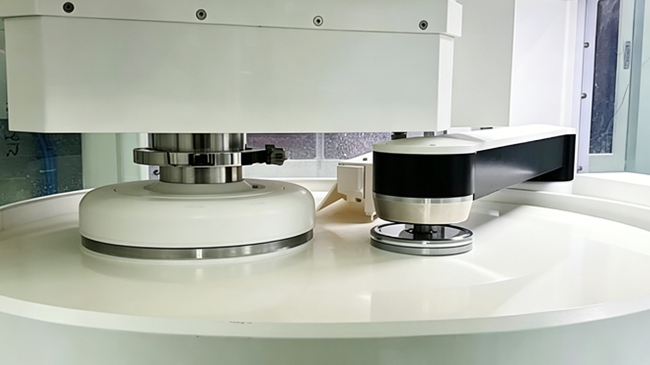

Polishing Pad Wear: What Should You Optimize First?
| Problem |
Possible Cause |
What to Check |
| Pad wears very quickly |
Excessive conditioning |
Conditioning pressure and time |
| Localized pad wear |
Uneven conditioning or contact |
Sweep pattern and pressure distribution |
| Polishing rate drops quickly |
Glazing or loading |
Pad surface condition and conditioning |
| Pad wear changes after slurry replacement |
Different abrasive conditions |
Particle size, concentration and chemistry |
| Wear increases with temperature |
Changed pad properties |
Process temperature |
| Short pad life despite normal conditioning |
Pad selection mismatch |
Pad hardness, structure and application |
Choosing the Right Polishing Pad
When optimizing polishing pad life, pad selection should be considered together with the polishing process rather than as an independent consumable decision.
The appropriate pad depends on the substrate, polishing stage, abrasive system, required removal rate and surface finish. For precision applications, factors such as pad hardness, porosity, compressibility, surface texture and slurry retention can influence process stability.
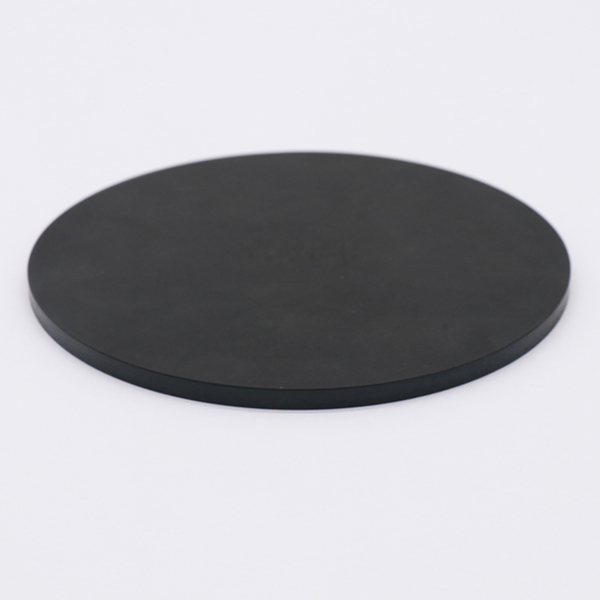
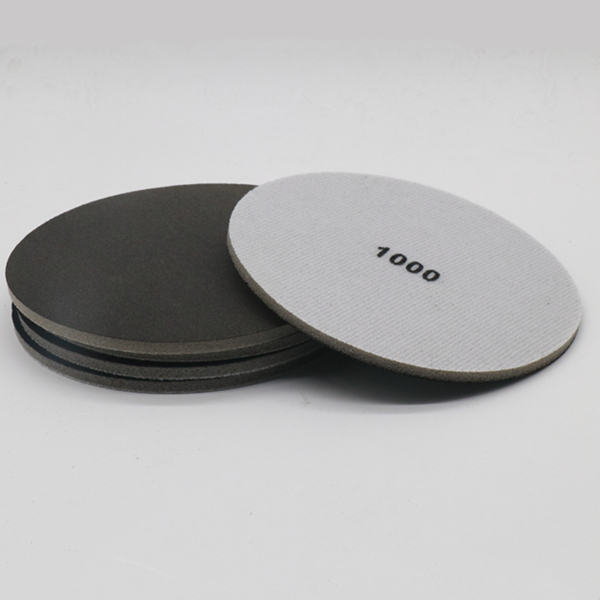
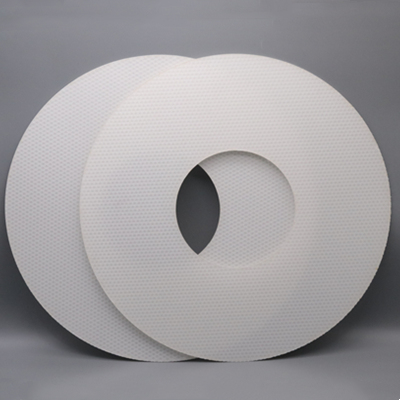
For example, PU polishing pads are commonly used when controlled mechanical contact and consistent surface characteristics are required. Other pad structures may be more suitable for applications requiring greater compliance or different slurry management characteristics.
Morelapping supplies polishing pads and related precision polishing consumables for applications including wafer, sapphire, ceramic, optical and other precision surface finishing processes.

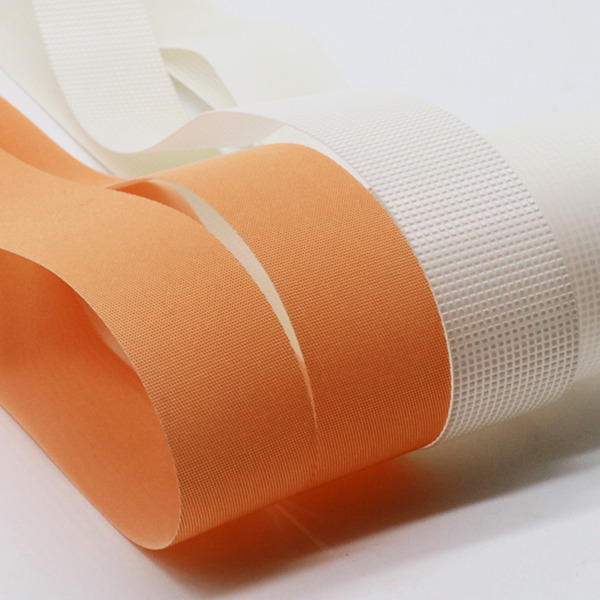 3D Structured Film (Cleaning belt for LCD panels)Flocked Pile Polishing Film for Roller Finishing and LCD Wiping
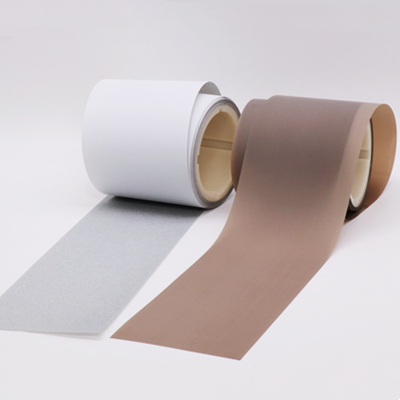 Polishing tape for repair defects and flatten protrusion points in LCD color filter process
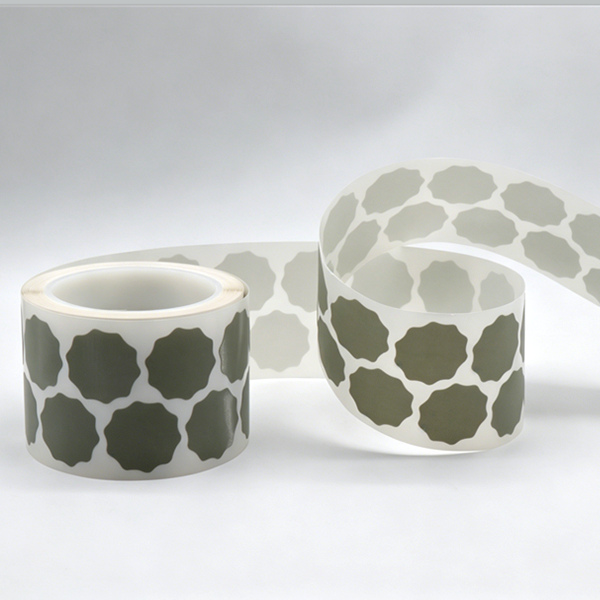 PSA Film Disc Roll for Fine Sanding and Finish of Automotive Coatings
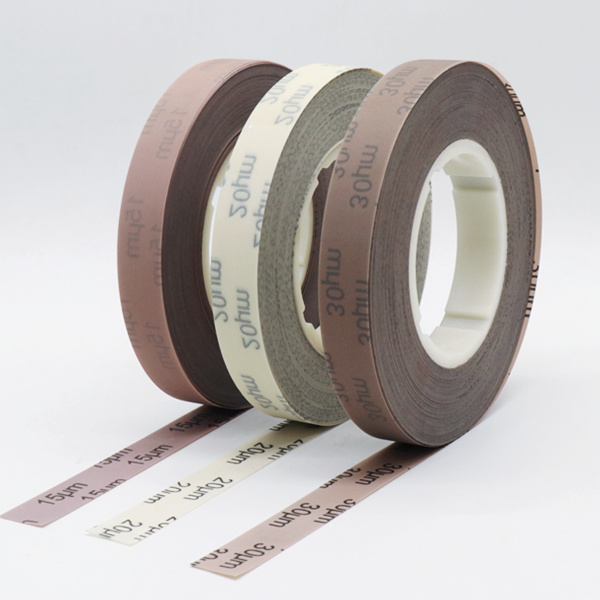 Electrostatic Coated Microfinishing Film Roll for Ultra-Fine Surface Finishing
 Precision Coated Diamond Roll for Fiber Optic & Microfinishing